Start with the purpose, not the whole history
A handoff note helps the next person understand what needs to happen during their time helping. It might be useful when a family member takes an afternoon off, a neighbor covers an errand, or support shifts between people in a household. The goal is not to record everything you know. It is to make the next few hours or days easier to navigate without relying on memory or a hurried conversation.
At the top, write the date, the period the note covers, who prepared it and who is taking over. Add the best way to reach you if a question comes up. If the person receiving care can help describe their own preferences, include them in preparing the note. Their account of what feels comfortable may be more useful than a list written entirely about them.
Make the routine easy to follow
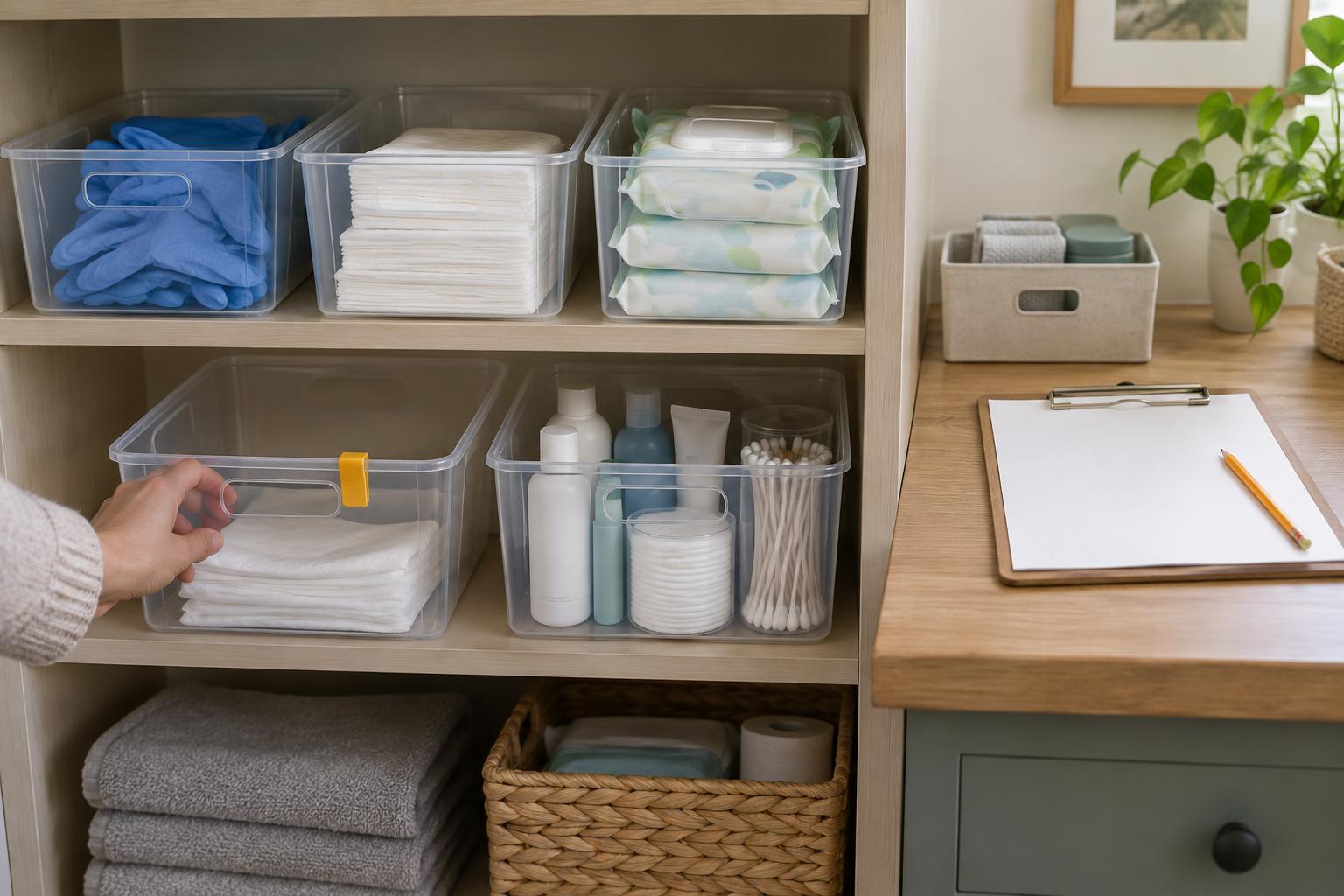
Organize routine tasks in the order they are likely to happen. A simple sequence such as morning, midday and evening is often easier to scan than a long paragraph. Include practical details that are easy to miss: where frequently used items are kept, which entrance is easiest to use, how the person prefers to be addressed, or whether they like a reminder before leaving for an appointment.
Keep preferences distinct from requirements. “Prefers tea in the blue mug” gives helpful context without making a small choice sound mandatory. Describe tasks plainly and specifically: “The grocery list is on the fridge” is more useful than “Handle shopping.” If a task has already been done, mark it complete so the next person does not have to guess. For any health-related task, point to the existing plan or instructions from the appropriate professional rather than inventing directions in the handoff note.
Put changes and unfinished tasks where they can be seen
A handoff is especially valuable when the usual routine has changed. Give recent changes their own short section, with enough context to make them understandable. For example, note that a delivery is expected, that an appointment time was moved, or that an appliance is not working. Avoid vague phrases such as “things have been difficult lately” when you can name the practical issue the next person needs to handle.
Then list unfinished tasks with an owner and a next step. “Alex will call to confirm the transport booking; if there is no update by Thursday, ask Alex” is clearer than “Check transport.” Keep this list limited to matters that affect the upcoming handoff. Longer-term projects can live in a separate shared plan, where they are less likely to obscure what needs attention now.
Explain how to communicate and where to find information
A useful note tells the next person whom to contact for different questions. Include relevant names, relationships and preferred contact methods, as well as any agreed backup contact. If there is an established process for unexpected situations, say where that process is kept. A handoff note should support, not replace, direct conversation when a situation is unclear or urgent.
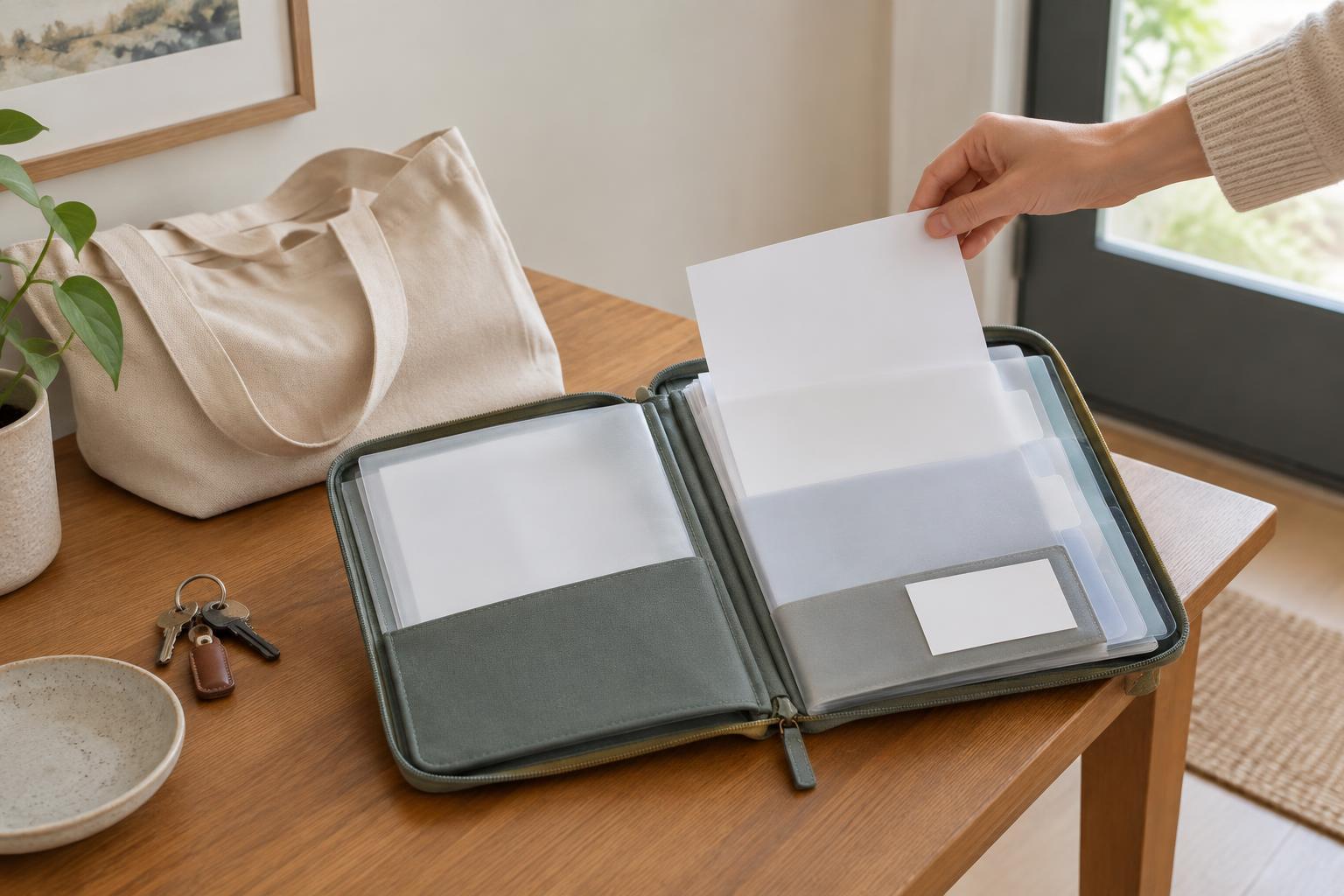
Point to information that already has a reliable home rather than copying sensitive details into multiple places. You might write where the appointment calendar, product instructions or household access information can be found. If a password or code is needed, share it through an agreed secure method instead of leaving it in an easily misplaced paper note. Agree on who can read and update the handoff, and share only what they need for their role.
Keep the format short and leave room for a reply
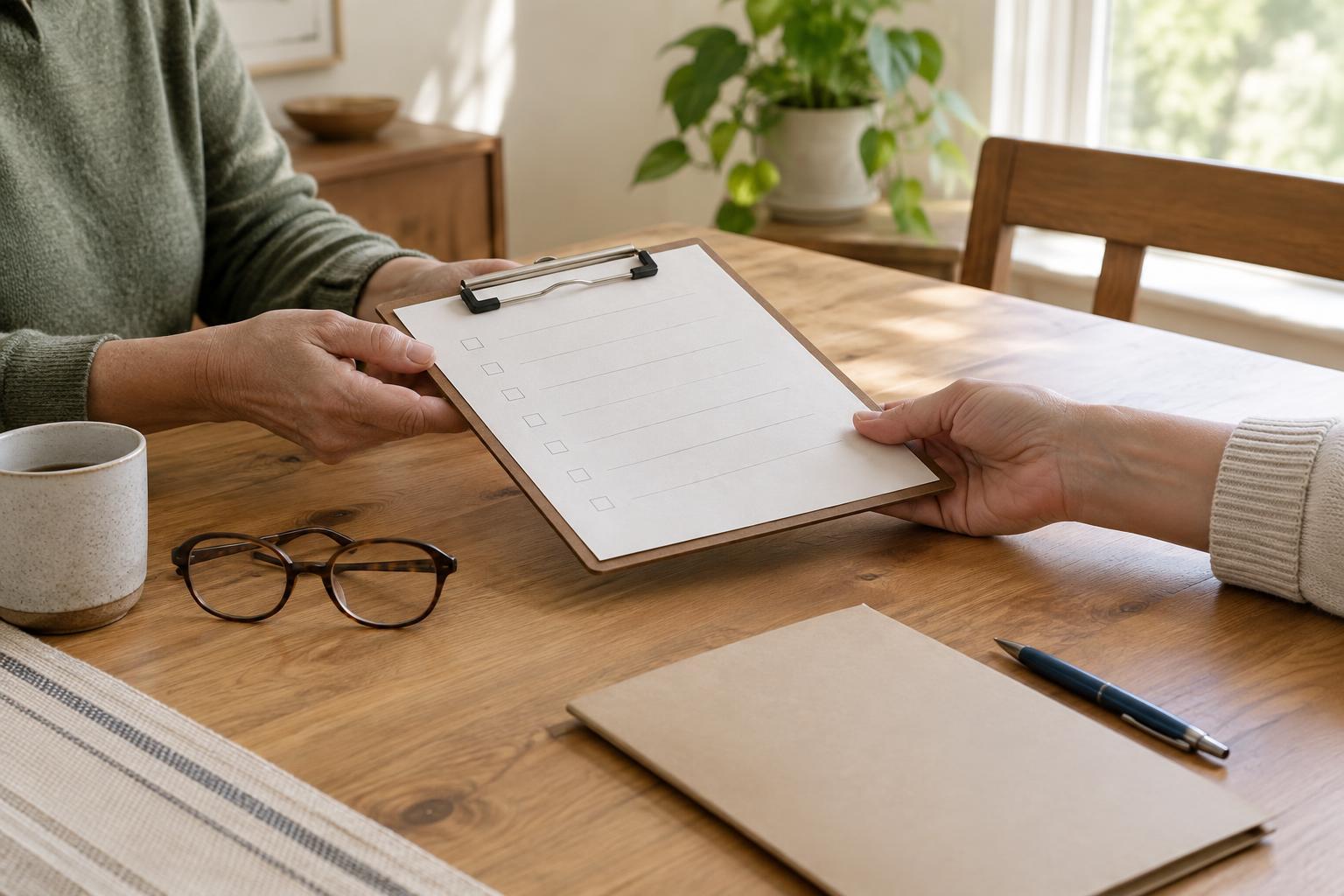
A repeatable format makes handoffs faster to write and easier to read. Try five headings: time covered, routine, what changed, tasks still open, and contacts or information locations. Use short sentences and ordinary words. If more than one person contributes, add names or initials beside updates so the reader knows whom to ask for clarification.
End with a small space for the incoming person to record what was completed, what changed and what should be passed on next time. Before handing over, read the note once from the recipient’s point of view: Can they tell what to do first? Can they distinguish a preference from an unfinished task? Do they know whom to ask? A brief conversation can fill any gaps, while the written note gives everyone a dependable reference afterward.