Start with the supplies that matter most
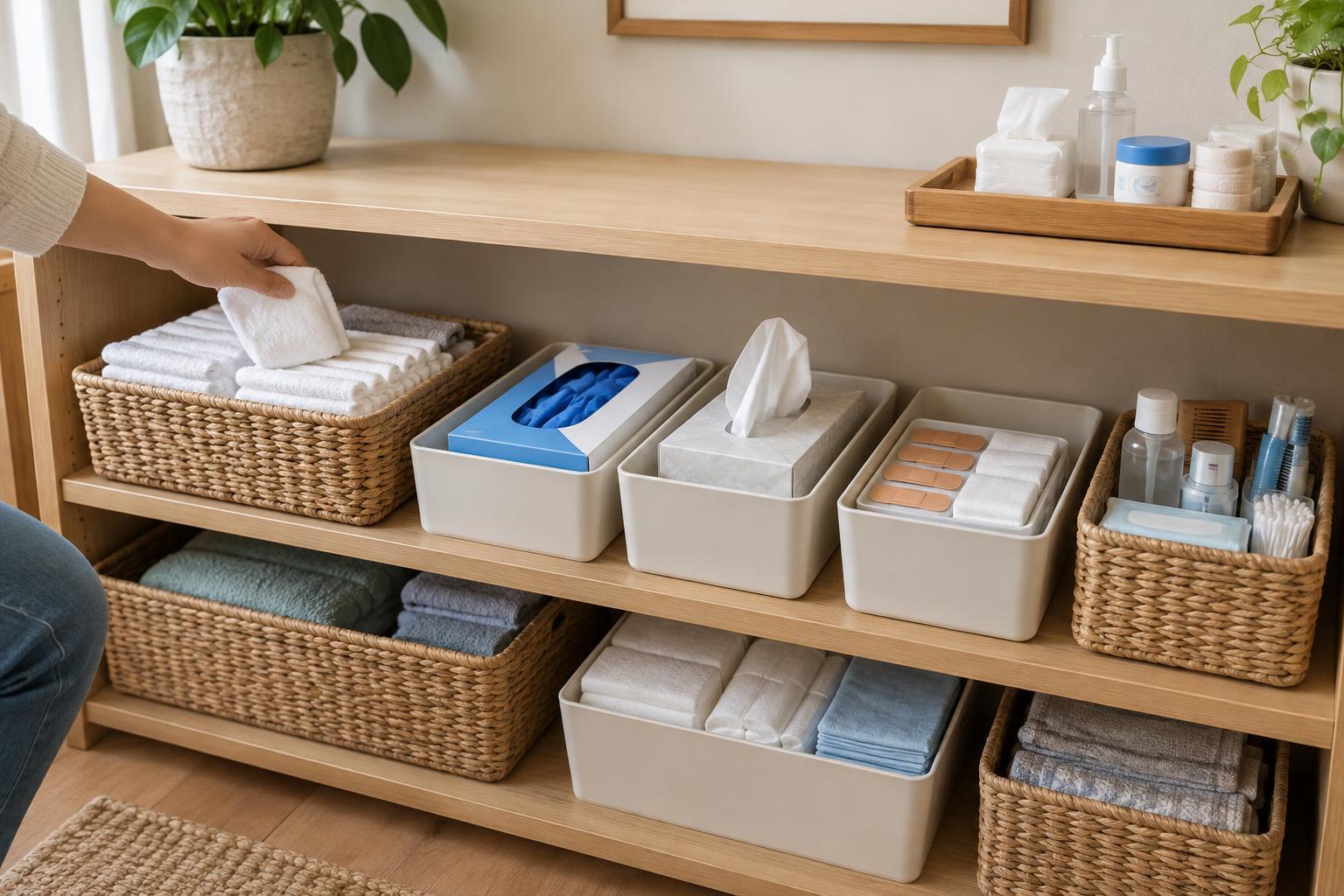
A reorder system does not need to track every item in a cupboard. Begin with supplies that are used regularly and would be inconvenient to run out of, such as disposable gloves, wipes, protective bedding or batteries for an everyday assistive product. Keep any items with specific storage or replacement requirements separate from this general list, and follow the information provided with them.
For each supply, write down its usual name, preferred size or type, where it is stored and where it is normally obtained. These details make a list more useful to anyone helping with a purchase. A photo of the package can also prevent confusion when products look similar, but a written description should remain available for people who cannot easily view an image.
Keep the first list short. Once the routine works, add other items if tracking them would save time. The goal is not a perfect inventory; it is a dependable reminder that fits into the way the space is already used.
Choose a reorder point you can see
A reorder point is the amount left when someone should arrange more, not the amount left when a supply has run out. For a product used every day, that point may be an unopened backup pack. For a slower-moving item, it may be a marked level on a shelf or a note attached to the last spare package. Allow room for delivery time, changes in use and occasional shopping delays.
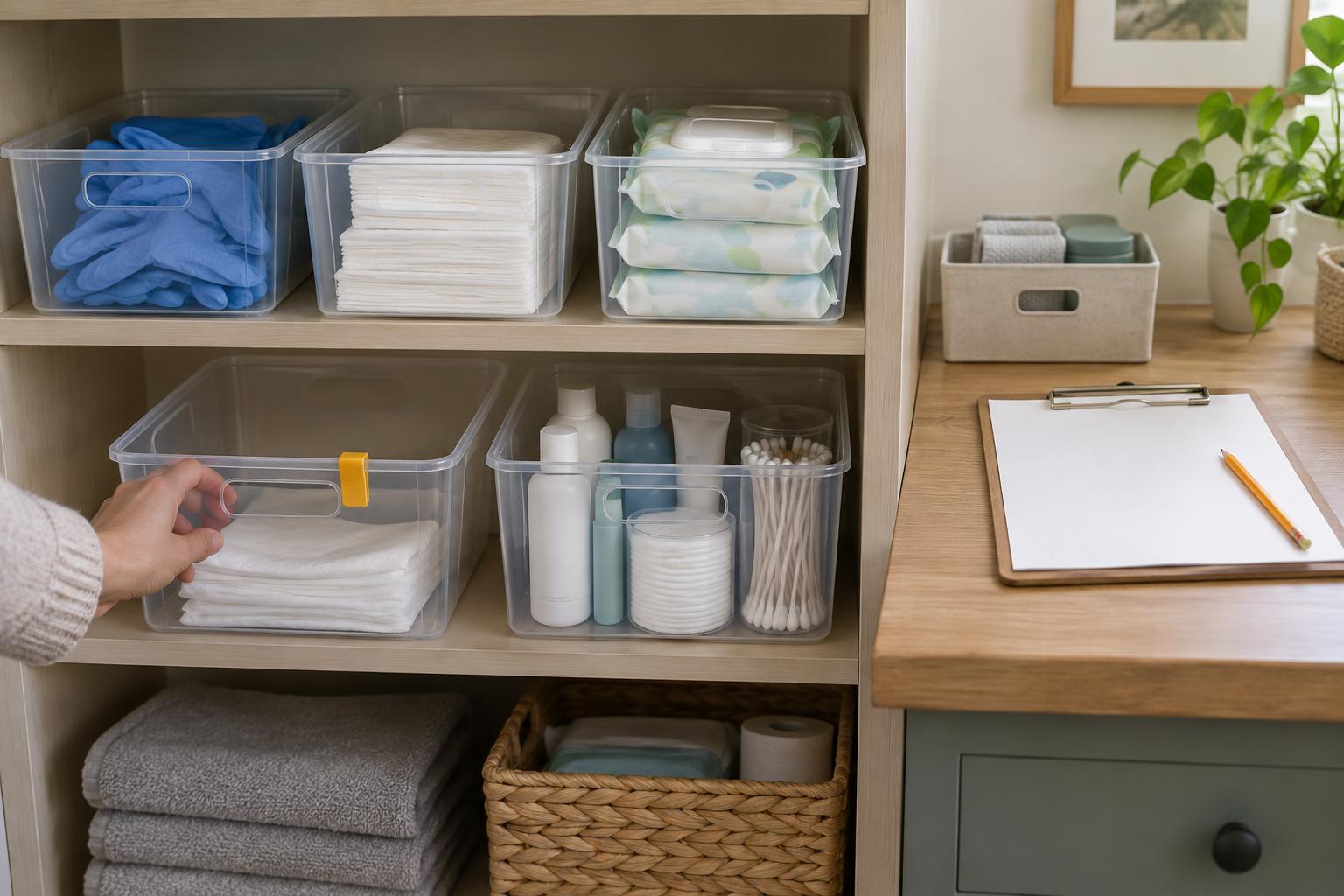
Simple physical cues often work better than mental calculations. Put a card behind the last unopened pack that says “Add to order,” or give backup stock a clearly labeled section. When someone reaches the card or opens the backup, they add the item to a shared list. This links the reminder to an action that already happens.
Review the reorder point after a few cycles. If supplies arrive with plenty left over, the trigger may be earlier than necessary. If the backup is regularly used up before replacements arrive, move the trigger sooner. Avoid treating the first threshold as a fixed rule; it is a starting point based on the household’s experience.
Keep one list and one place to check it
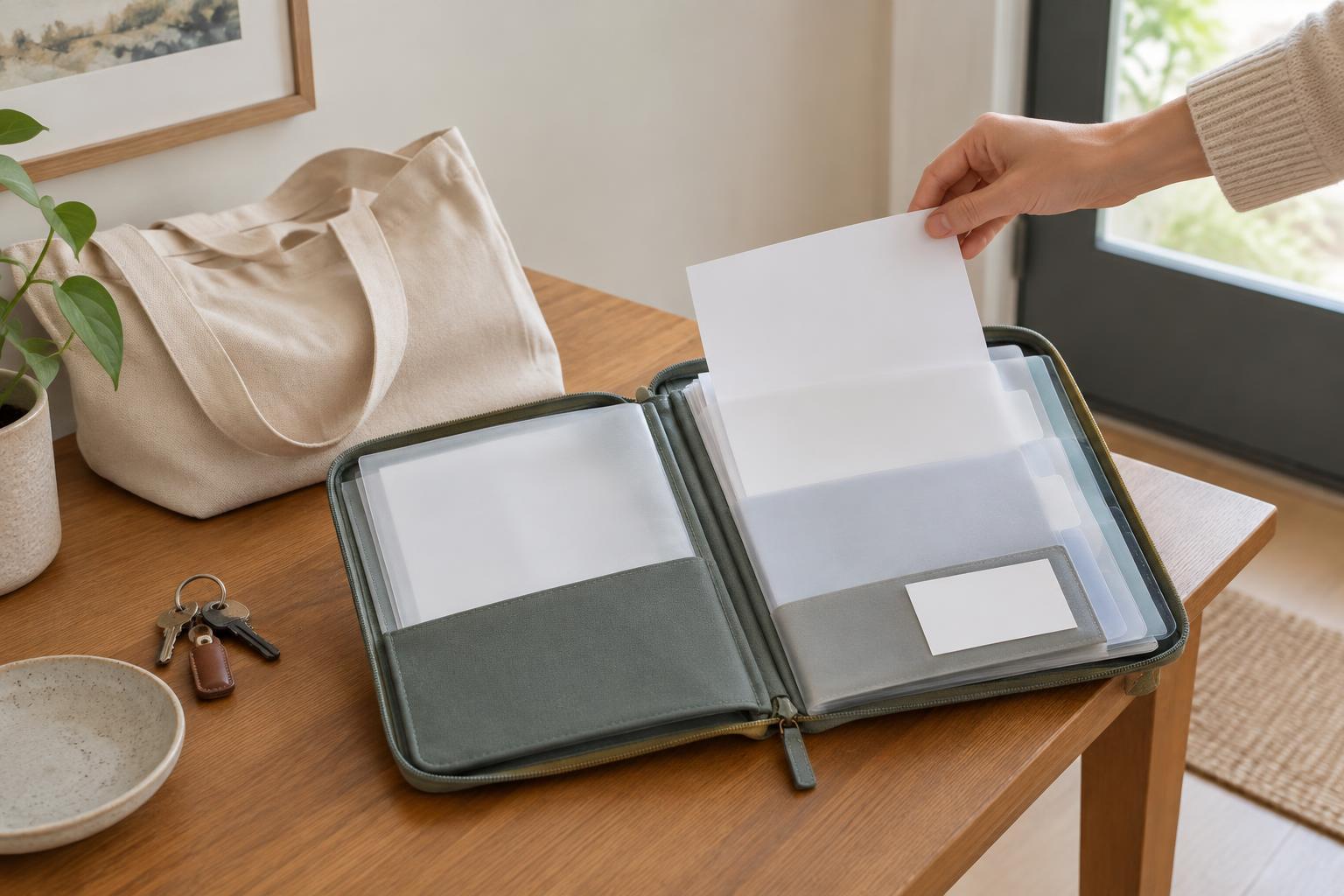
Choose a list that everyone involved can use: a sheet on a cupboard door, a notebook beside the supplies or a shared digital note. Record the item, how much is needed, when it was added and whether it has been ordered. A separate “ordered” mark helps prevent two people from buying the same thing.
Place the list near the point of use if possible, but consider privacy in shared or visitor-facing spaces. A general label such as “supply list” may be enough on the outside of a cupboard; more detailed information can remain inside or in a restricted digital note. Whatever format you choose, make the text easy to read and the action clear.
Set a brief, regular check for items that are easy to overlook. It might happen before a routine shopping trip or when other household tasks are reviewed. During the check, compare the list with what is actually on the shelf, confirm what has arrived and remove completed entries. A consistent five-minute habit is more useful than a detailed spreadsheet no one opens.
Make responsibilities and exceptions clear
If more than one person handles supplies, agree on who notices low stock, who places orders and who puts deliveries away. These can be different people, but each handoff should be visible. For example, the person opening the backup pack adds the item to the list; the person ordering marks it as ordered; the person unpacking marks it as received.
Add a small space for exceptions. If an item is unavailable, a delivery is delayed or the usual product has changed, leave a note rather than silently crossing it off. For products that need to match a particular device or an individual’s established preferences, confirm the details before choosing a substitute. Keeping the original package information with the list can make that check easier.
Finally, decide what to do when the regular system is interrupted. A backup shopping location or a named person to contact may be enough. The purpose is not to plan for every possibility, but to keep a missed order from becoming a confusing last-minute search.
Adjust the system as routines change
Supply use can change when schedules, helpers, products or living arrangements change. Revisit the list whenever it begins to feel inaccurate. Remove items no longer used, check that storage locations still match the notes and update reorder points that no longer provide enough time.
A useful system should be easy for a new helper to understand without a long explanation. If the list is crowded or the labels have become unclear, simplify them. When each item has a clear place, a visible trigger and a recorded next step, reordering becomes a small routine rather than a recurring puzzle.