
Care OrganizationA backup plan can make ordinary disruptions less confusing. Learn how to identify essential routines, agree on who can step in, and keep practical instructions easy to find without sharing more information than necessary.
Read article · 4 min↗

Care OrganizationAn appointment can take up more of a day than the time shown on a calendar. A little room for travel, check-in, delays and a slower transition afterward can make the schedule easier to manage. Here is a practical way to add buffers without leaving the entire day on hold.
Read article · 3 min↗

Care OrganizationA new helper can fit into household life more smoothly when everyone knows what matters, what tasks are expected, and how to ask questions. A simple introduction to routines, preferences, boundaries, and shared notes can make the first few visits easier to navigate.
Read article · 4 min↗

Care OrganizationA useful care plan does not have to be complicated. It needs to show who is handling each task, capture the practical details people rely on, and explain what happens when the usual arrangement falls through. Here are ways to spot and fix three common planning gaps.
Read article · 4 min↗

Care OrganizationA care schedule is useful only if it reflects what happens day to day. When a helper, household routine or appointment pattern changes, a short review can make responsibilities clearer and reduce avoidable confusion.
Read article · 3 min↗

Care OrganizationOrganizing care often means sharing details with other people. A simple information plan can help you decide what each person needs to know, how to share it, and when to review their access.
Read article · 4 min↗
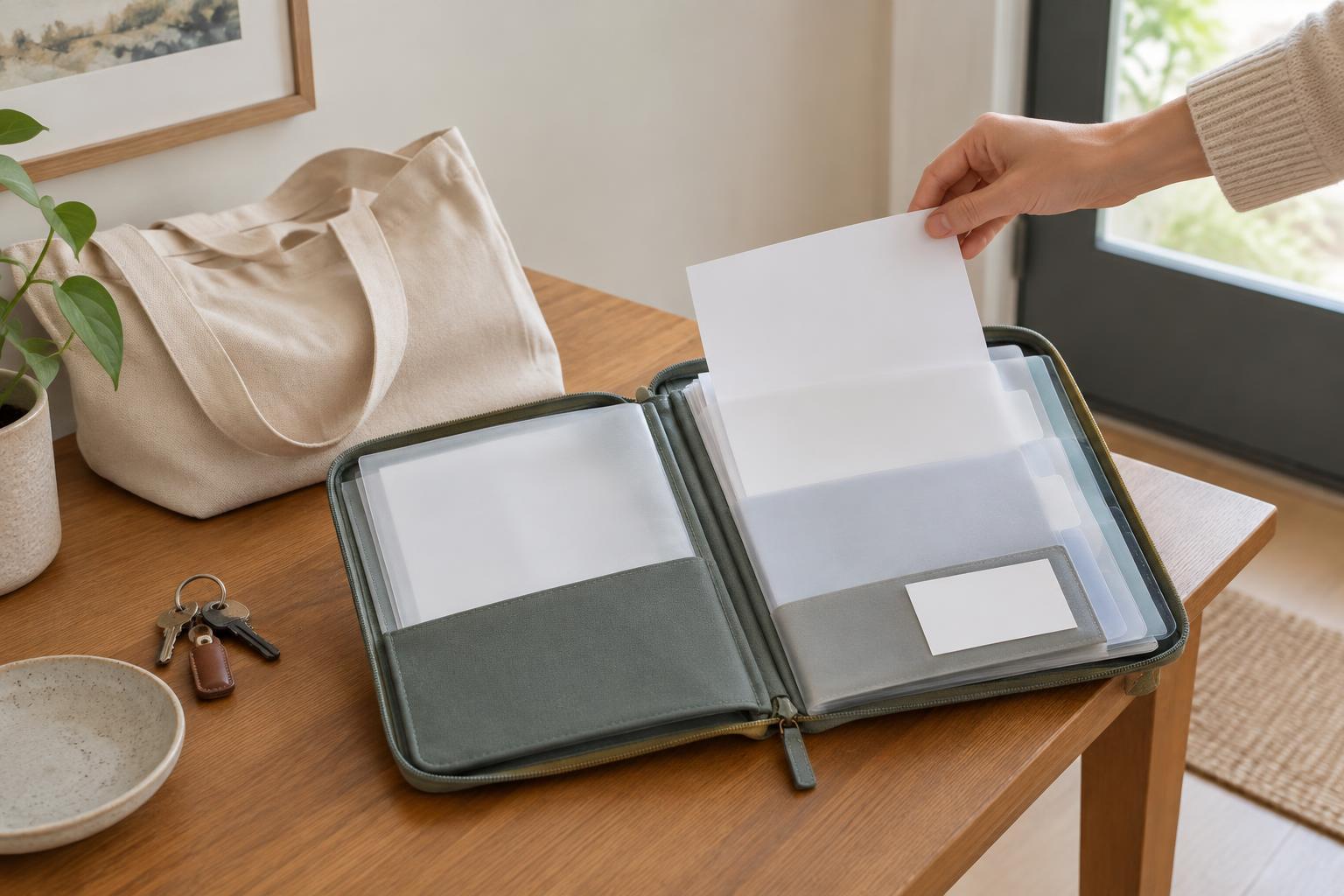
Care OrganizationA portable information folder can make unfamiliar appointments easier to navigate. Learn what to include, how to arrange it for quick reference, and how to protect and update the information you carry.
Read article · 4 min↗

Care OrganizationCare-related paperwork can arrive from many places and in many formats. A small, repeatable filing routine can make bills easier to track, receipts easier to find, and questions easier to follow up without turning paperwork into a full-time project.
Read article · 4 min↗
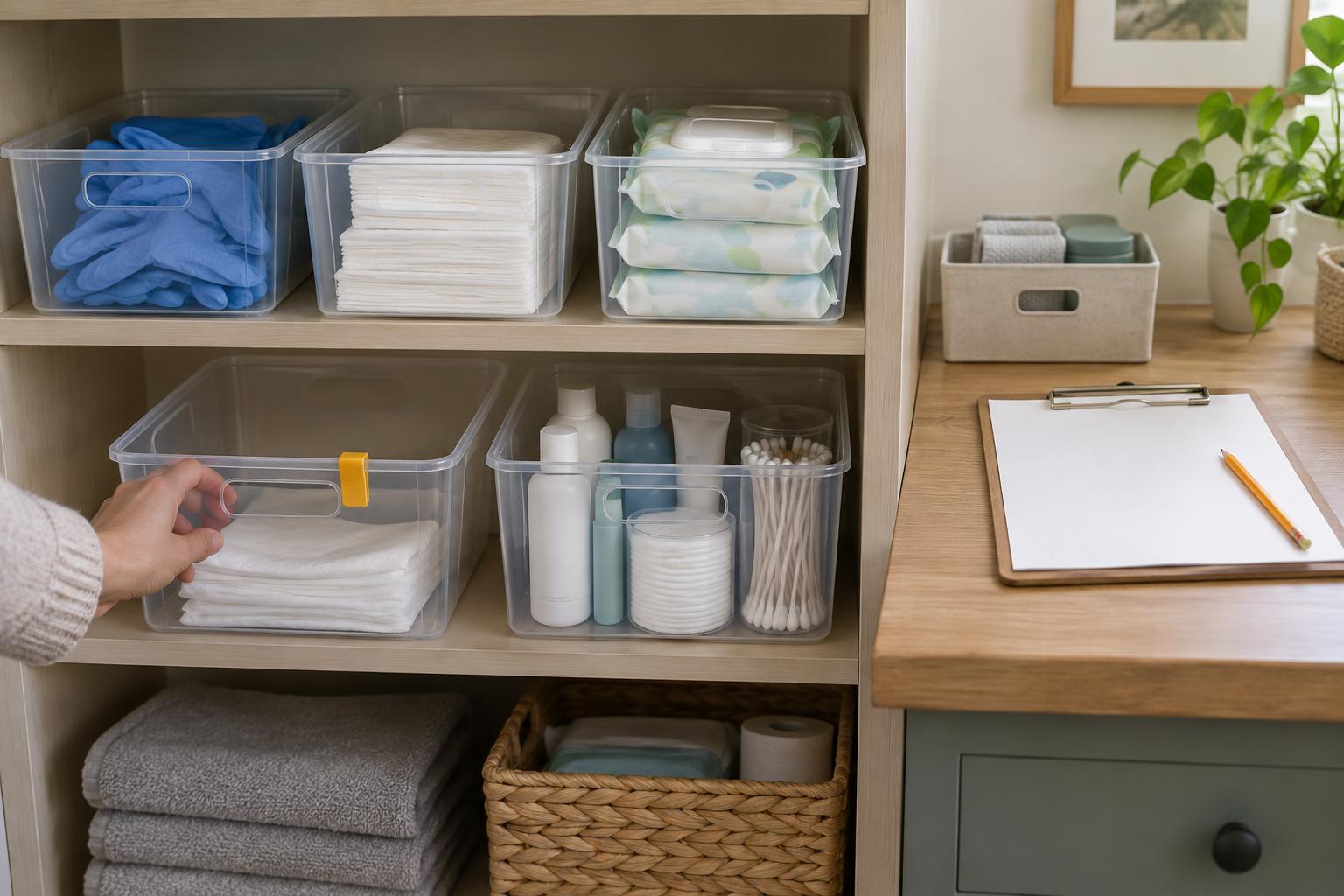
Care OrganizationRunning out of everyday supplies can disrupt a care routine. A small, visible reorder system can help households and shared care spaces keep track of what they use, when to check stock and who will place the next order.
Read article · 4 min↗
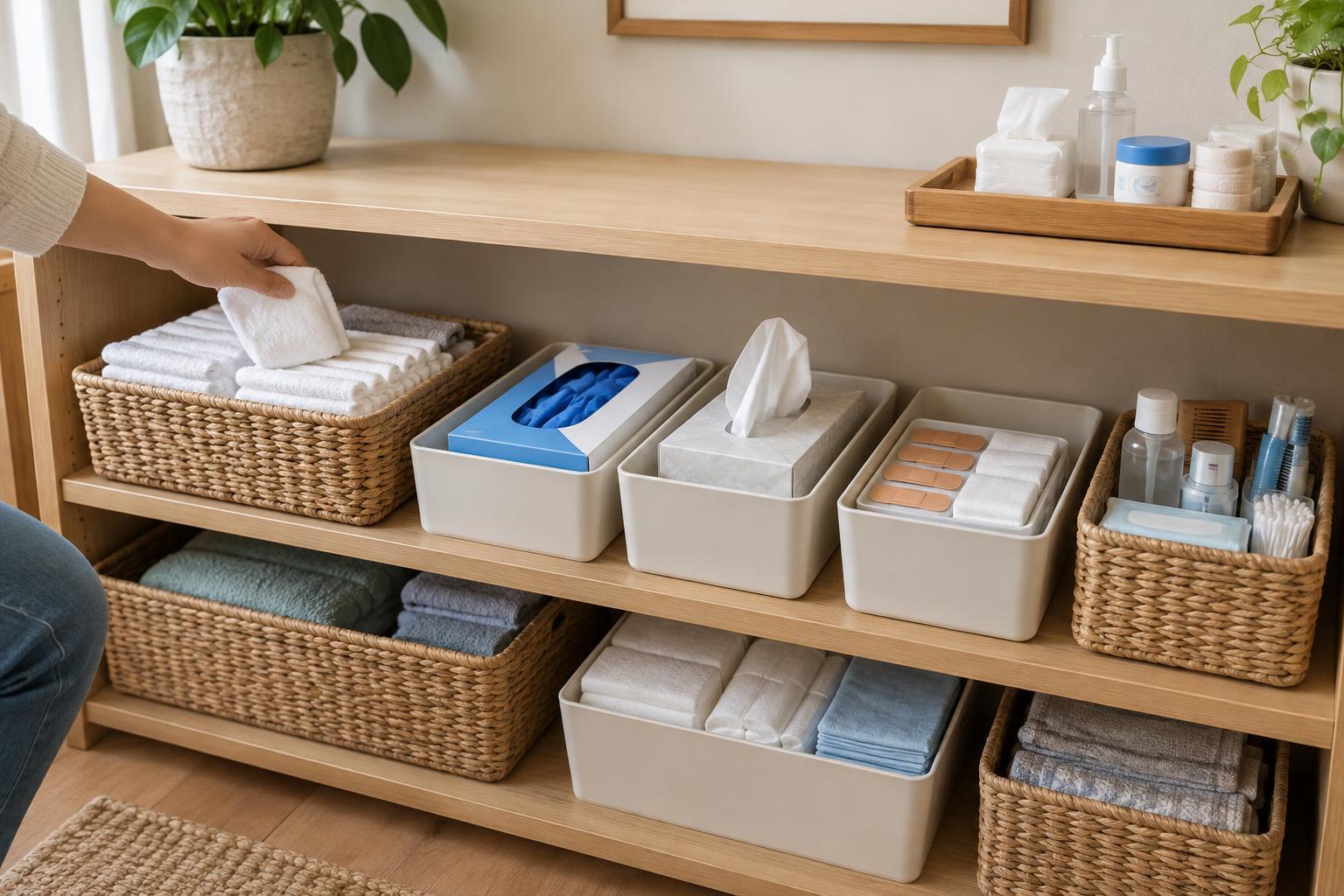
Care OrganizationA useful supply system makes everyday items easy to locate, use and replace. Learn how to group supplies by task, choose accessible storage spots, label what belongs where and set a simple restocking routine.
Read article · 4 min↗

Care OrganizationWhen someone else takes over everyday care tasks, a short handoff note can make the transition calmer and clearer. Learn what to include, how to separate routine details from unfinished tasks, and how to protect the person’s privacy.
Read article · 4 min↗

Care OrganizationWhen family members, friends and other helpers share care-related tasks, a little structure can make the work clearer and more sustainable. Start with the person’s preferences, divide specific tasks, agree on how to communicate and make a backup plan.
Read article · 4 min↗

Care OrganizationA reliable trip to an appointment involves more than choosing a ride. Clear pickup instructions, realistic timing, accessibility details, and a backup plan can make the day easier to manage.
Read article · 4 min↗

Care OrganizationCare-related paperwork can be hard to follow when a request passes between offices, inboxes, and people at home. A simple task log can show what is pending, who is responsible, and when to check back—without trying to store every detail in one place.
Read article · 4 min↗

Care OrganizationAppointment notes are most useful when they help you remember what was discussed and what happens next. A simple system for preparing, capturing key points, and turning them into manageable tasks can make follow-up easier.
Read article · 4 min↗

Care OrganizationA question list can make appointments easier to prepare for and easier to follow. Learn how to collect questions as they arise, choose what matters most, and keep the list useful afterward.
Read article · 4 min↗

Care OrganizationA care contact directory puts providers, helpers, and services in one place so the right details are easier to find when plans change. Learn what to include, how to organize it, and how to keep it current without sharing more personal information than necessary.
Read article · 3 min↗

Care OrganizationA useful care paperwork system is one you can maintain and use when you need it. Compare paper, digital and hybrid folders, then set up a simple routine for finding, updating and sharing documents.
Read article · 4 min↗

Care OrganizationA shared calendar can help people coordinate appointments, travel, preparation and everyday support without relying on one person’s memory. Here is a practical way to set one up, decide what belongs in it and keep it useful over time.
Read article · 4 min↗

Care OrganizationA little preparation can make an appointment easier to navigate. Use this checklist to gather useful documents, decide what you want to ask, plan the journey, and keep track of next steps.
Read article · 3 min↗

Care OrganizationCare-related information can end up scattered across calendars, messages, papers, and people’s memories. A simple system for contacts, appointments, questions, and follow-up tasks can make it easier to find what matters without trying to document everything.
Read article · 4 min↗