Start with the task, not the product
An appealing product photo can make a purchase feel straightforward. But “helps with dressing” or “makes reaching easier” describes a broad category, not a specific solution. Before comparing products, name the task as precisely as possible: what needs to be picked up, opened, carried, held, or put away? Note where the task happens and what makes the current routine awkward.
A long-handled reacher, for example, may be useful for a light item on a shelf but cumbersome in a crowded cupboard. An easy-grip utensil may feel comfortable in the hand yet be difficult to use with a particular bowl. Thinking through one ordinary routine is often more revealing than comparing feature lists. The aim is not to find the product with the most functions; it is to find one that makes the intended task simpler.
Mistake one: assuming that adjustable means a good fit
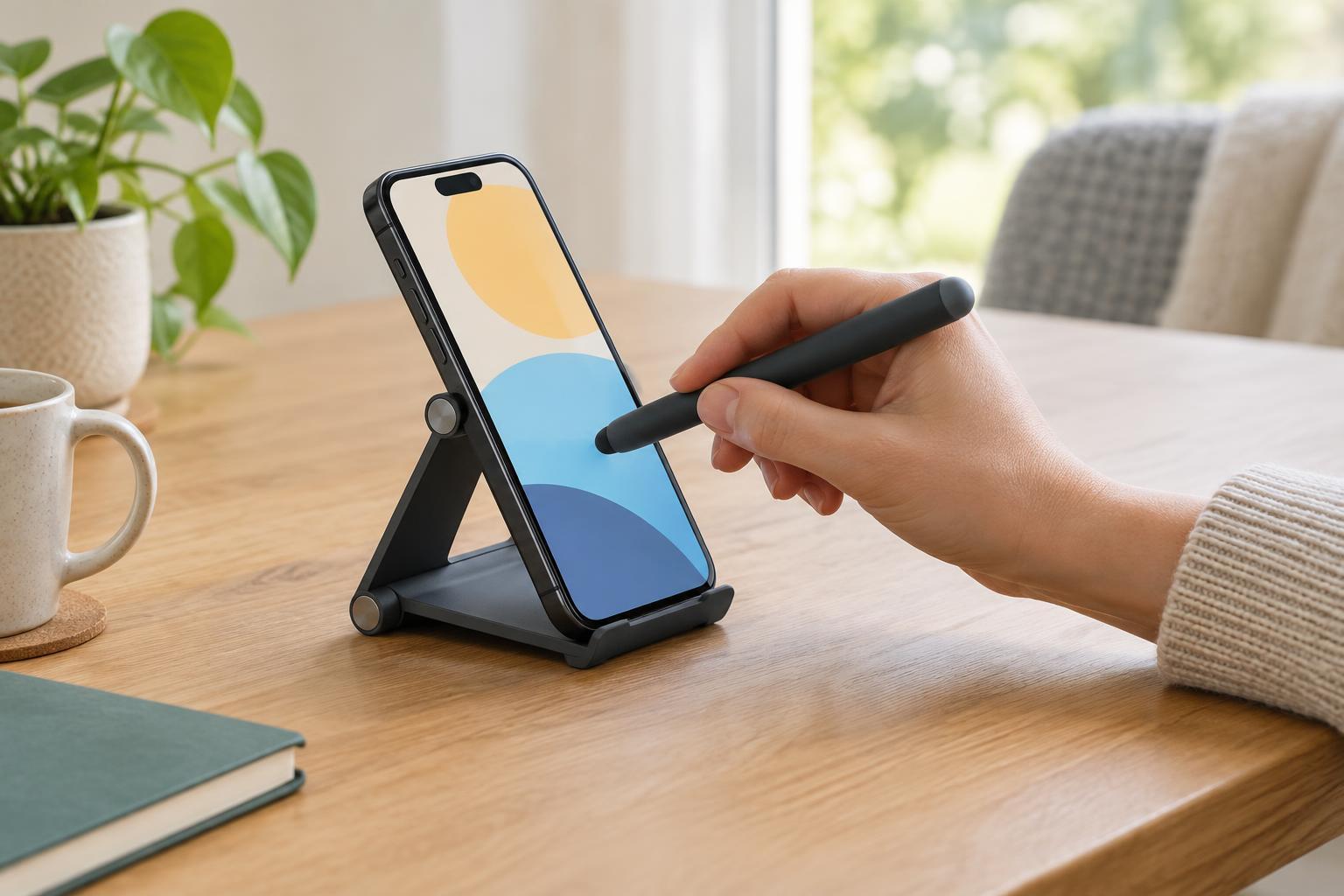
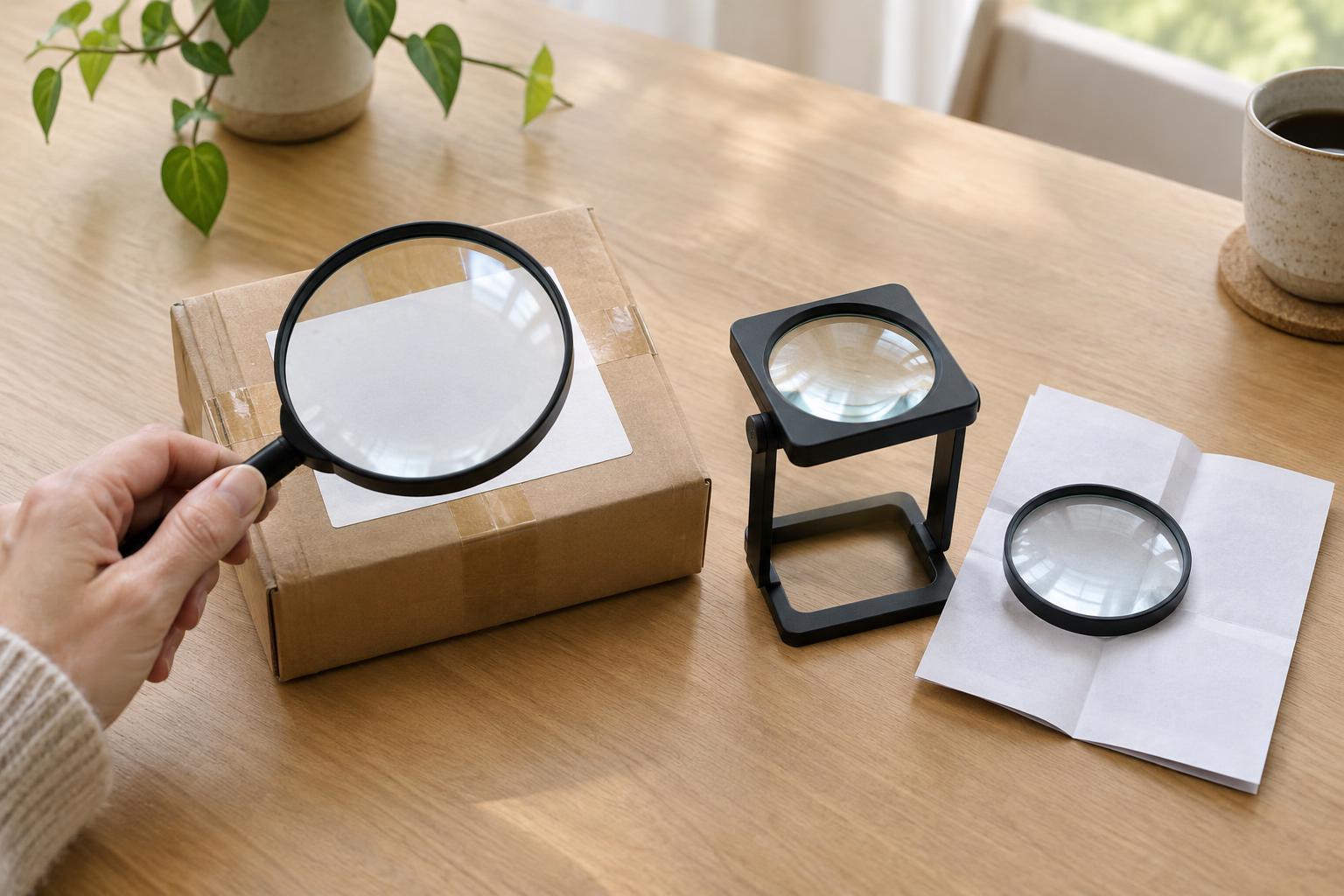
Fit includes more than a listed size range. A handle can be the right length but too thick to hold comfortably. A button can be easy to see but hard to press from the position in which the product is actually used. A product may also require a grip, reach, or movement that feels fine during a quick demonstration but becomes tiring during a routine task.
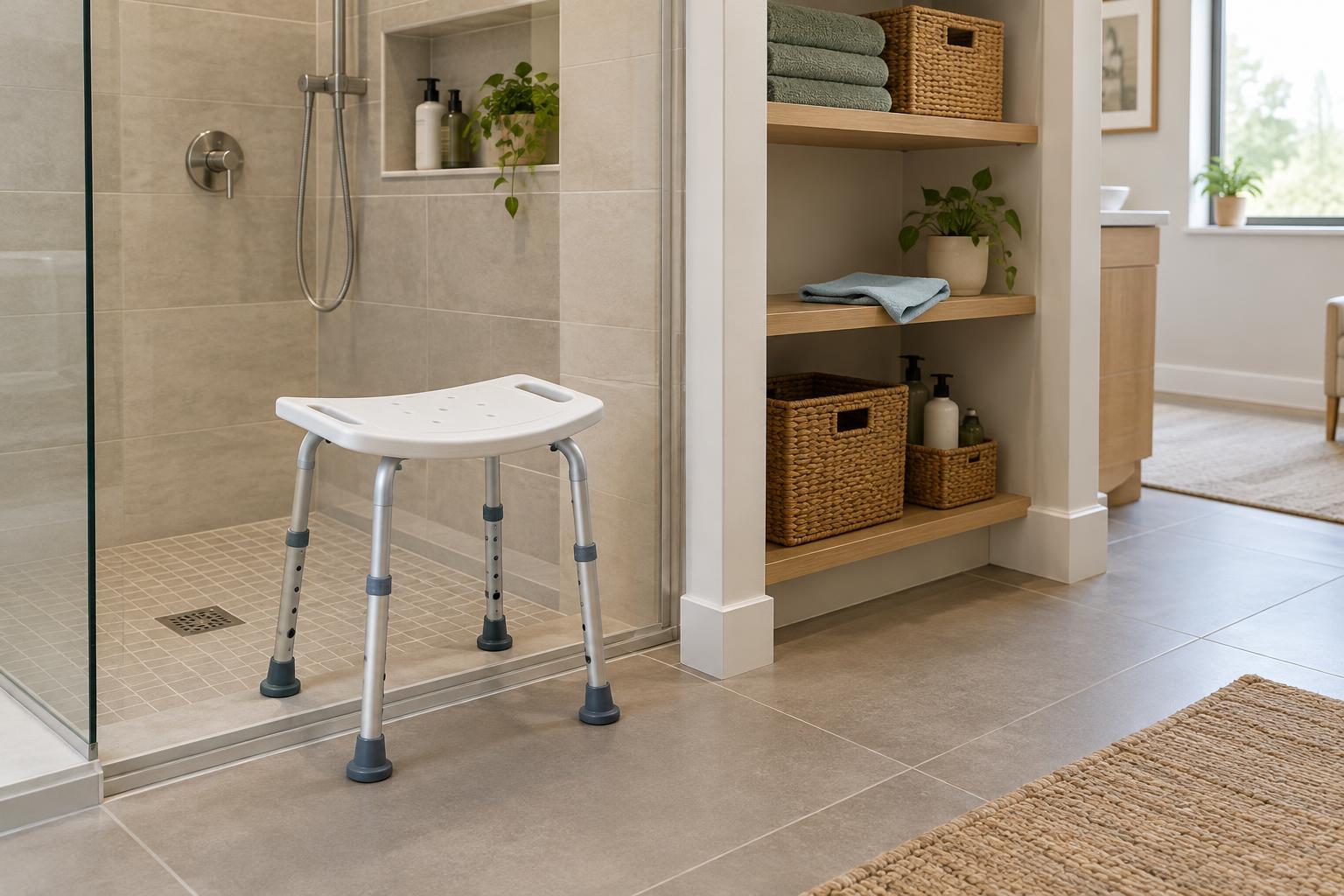
Check the dimensions that matter in context. For a bathroom item, that might include the width of the available space and whether doors or drawers can still open. For a handheld item, consider weight, balance, handle shape, and whether either hand can use it as intended. Adjustable parts should be simple to set and remain in place during normal use.
If possible, handle a sample or try the product in a setting that resembles home. When that is not possible, review measurements carefully and check the seller’s return terms before buying. If an item must support body weight or be fixed to a surface, do not guess about compatibility or installation; follow the manufacturer’s specifications and seek appropriate help where needed.
Mistake two: forgetting where it will live
A product can work well during use and still create a daily obstacle when it is not in use. Folding equipment may remain bulky when folded. A long handle may block a narrow passage if it is left by the door. A small item may disappear into a drawer and never be available when needed.
Before purchasing, choose a realistic storage spot and measure it. Ask whether the product can be reached from that spot without moving other objects, whether it needs to dry before being put away, and whether anyone else uses the same space. Consider the whole route: getting the item out, carrying it to the task, and returning it afterward.
Storage matters for shared spaces, too. A clearly defined place for an item makes it easier for everyone to find and put away. If the only workable storage location is inconvenient, a smaller or simpler design may be more useful than a feature-rich alternative.
Mistake three: overlooking the cleaning routine
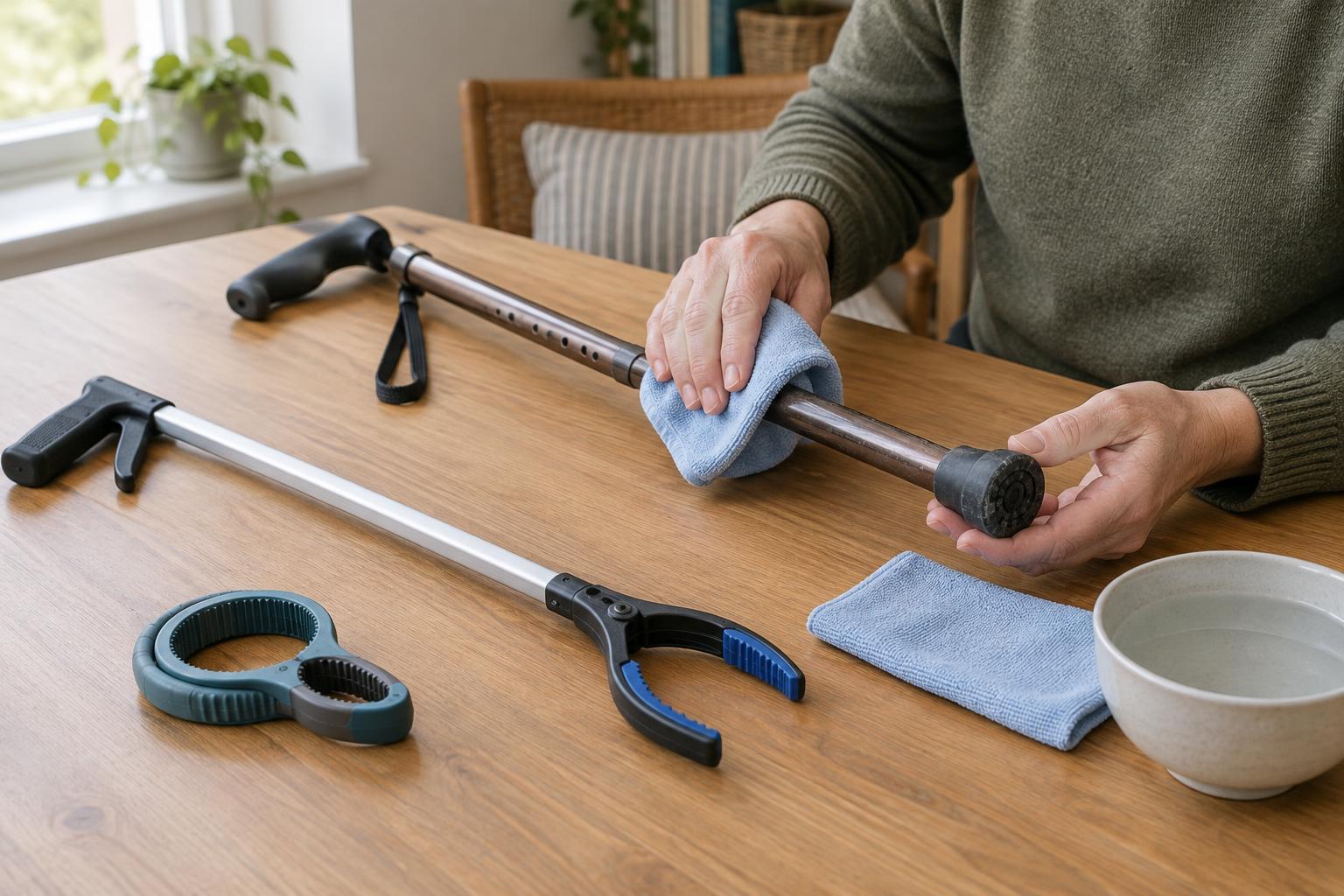
Products used near food, water, or frequently touched surfaces need a cleaning routine that fits everyday life. Intricate seams, exposed fasteners, textured grips, and hard-to-remove covers can make that routine more time-consuming. A surface that looks smooth in a photograph may have joints where residue collects.
Look for the manufacturer’s care instructions before buying. Check whether parts can be removed without tools, which surfaces can get wet, and whether the product must dry fully before storage. If several people may use the item, consider how easily it can be cleaned between uses. Avoid assuming that a material or finish tolerates a cleaning method just because it looks durable.
A useful question is: would someone be willing and able to clean this item as often as its use requires? If the answer is uncertain, compare simpler shapes and fewer components. Ease of cleaning is part of usability, not an afterthought.
Make a short trial checklist
Before committing, write down three checks: does the item fit the person and the task, does it have a practical storage place, and can it be cleaned without an awkward extra routine? Add any non-negotiable details, such as the width of a doorway, the size of an object it must grip, or whether it can be used with one hand. This keeps comparisons focused when product descriptions use similar language.
If a trial or return is available, test the full sequence rather than a single movement. Take the item from its storage spot, use it for the intended task, clean it as directed, and put it away. Notice any step that requires unexpected effort or help. The best choice is not necessarily the most specialized product; it is the one that works reliably within the routines and spaces it is meant to support.