Describe the task before looking at products
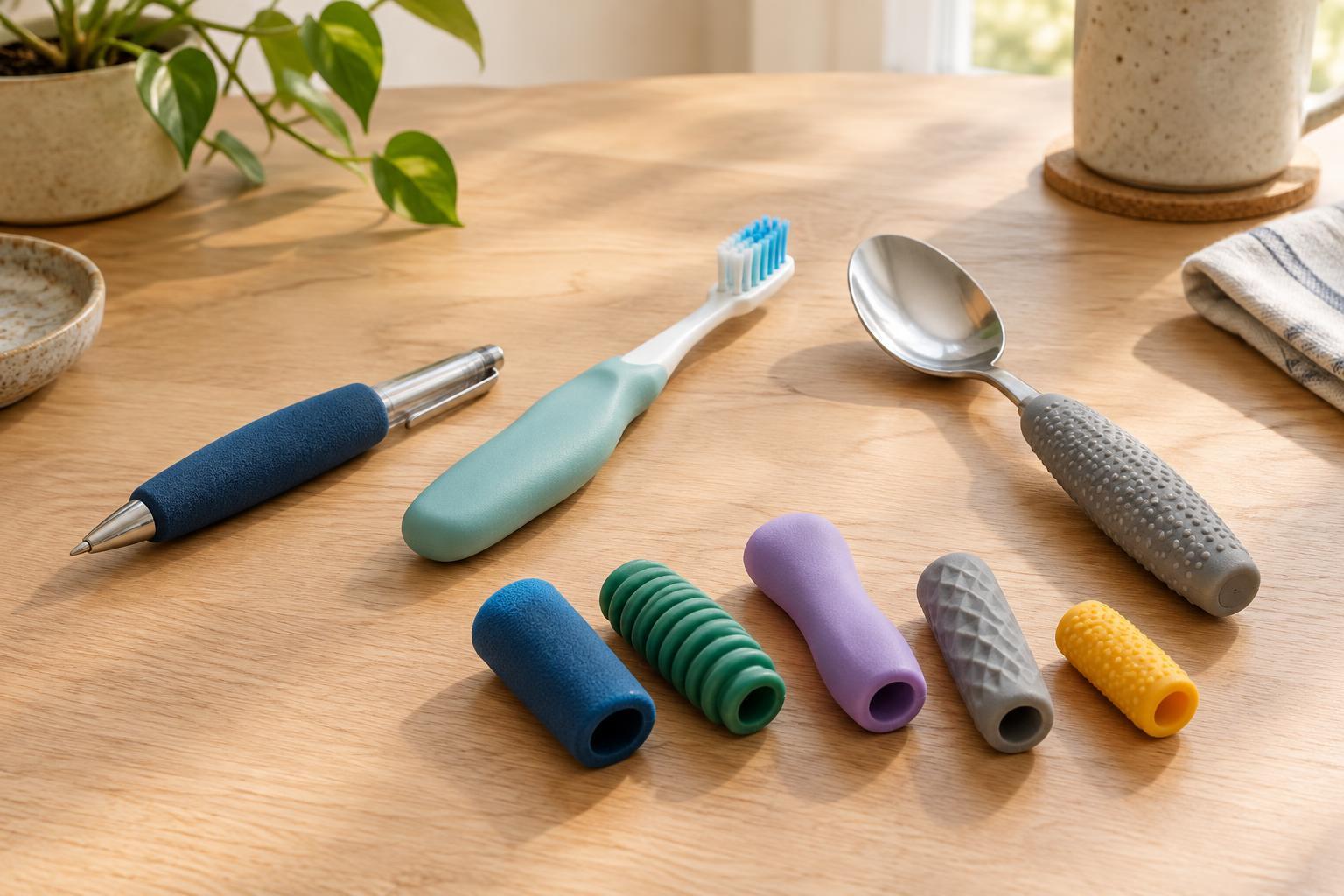
Everyday assistive products can make a familiar task easier to manage. A jar opener, a reacher, a large-print label, or a reminder device may all be useful in different circumstances. The best starting point is not a product category but a specific moment: What is the person trying to do, where does the difficulty arise, and what would a better experience look like?
Describe the task in ordinary terms. “Open a container at the kitchen counter without asking someone else to do it” is more useful than “improve independence.” Notice the steps around the task, too. A tool that helps with opening a container may be less helpful if it is difficult to retrieve, set up, clean, or put away. A short description of the whole routine makes it easier to compare possible solutions, including small changes that do not require a new product.
Treat the user’s preferences as requirements
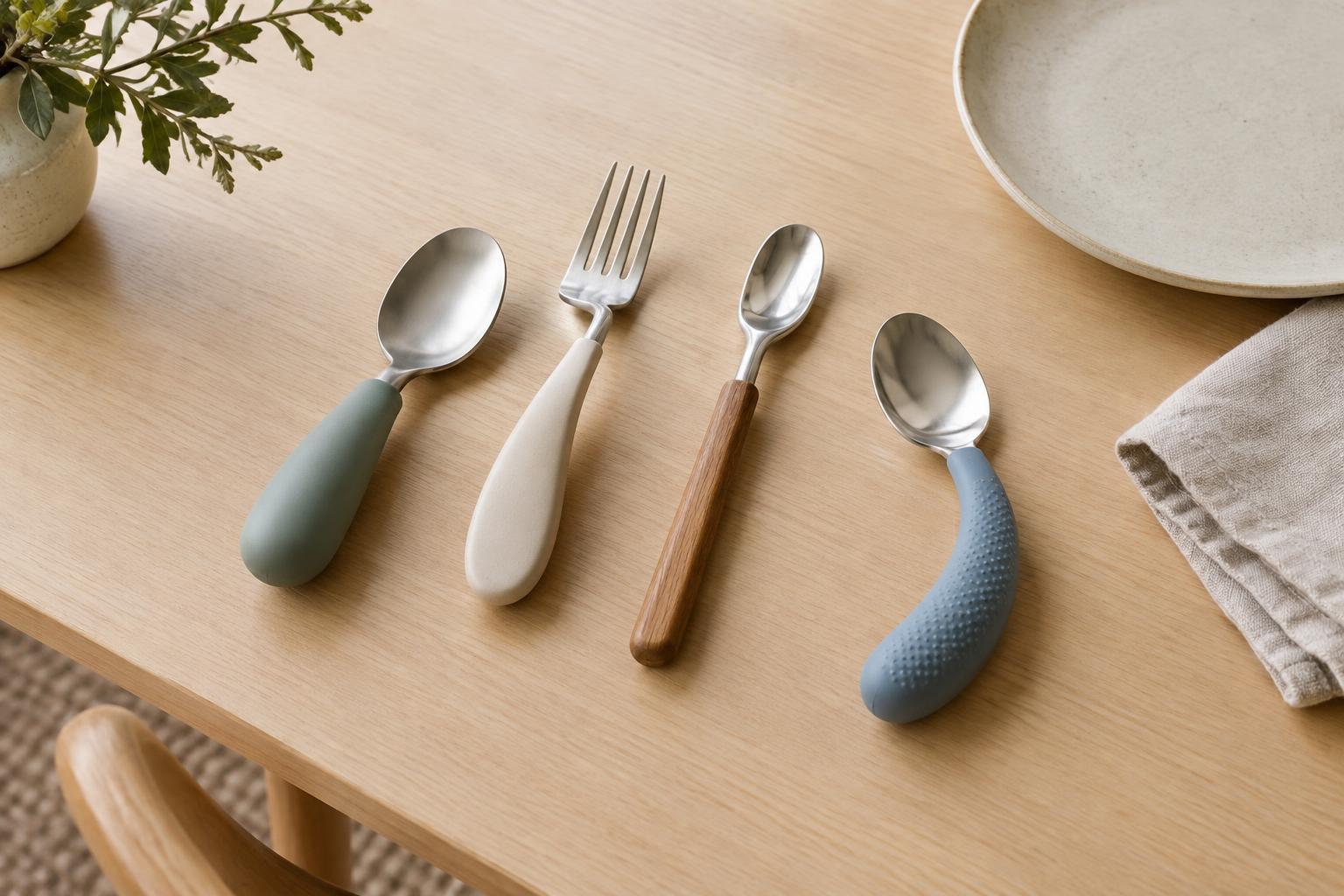
Two people doing the same task may prefer very different tools. One might value a compact item that fits in a drawer; another might prefer a larger handle that is easy to locate. Appearance, noise, weight, texture, privacy, and the time needed to learn a product can all affect whether someone will actually use it. Ask the intended user what feels comfortable rather than assuming that a feature will be welcome.
It also helps to ask what they already do successfully. A new item should fit alongside useful habits, not replace them without a reason. If a product will be shared, consider who needs to understand it and who will keep it ready for use. When someone else is shopping on the user’s behalf, photos, dimensions, or an in-person demonstration can give the user a more meaningful say than a product name alone.
Check the setting and the full routine
A product works in a real place, not just in a demonstration. Before choosing one, look at the surfaces, storage, lighting, available power, and space needed to use it. An item intended for a bathroom may need to tolerate moisture; something used at a table must fit beside the objects already there. A portable aid may need a practical way to carry it. These details can matter as much as the product’s main function.
Think through maintenance as part of the setting. Can the item be cleaned in a way that suits the household? Are batteries, charging, replacement parts, or instructions manageable? Will it remain easy to find when needed? A product that requires several extra steps may add friction to a routine, even if it performs its central task well. Listing these practical conditions before shopping can narrow the options without relying on claims made on packaging.
Try the simplest promising option
Where possible, compare options by using them for the actual task. A brief trial can reveal details that specifications do not: whether a grip feels comfortable, controls are easy to distinguish, or the product stays steady in its intended location. Test setup and storage as well as use. If an item is borrowed or tried in a shop, remember that the experience at home may differ because the space and routine are different.
Start with a clear question for the trial, such as “Can I use this at the counter and then clean and store it without extra help?” Avoid changing several parts of the routine at once; that makes it harder to tell what helped. If there are safety concerns or a task involves significant physical support, seek appropriate qualified guidance rather than relying on a casual product test.
Decide what counts as a good fit
The most useful choice is often the one a person can use consistently, not the one with the longest feature list. Compare the options against the original task, the user’s preferences, and the conditions of the setting. Consider cost alongside upkeep, durability, and whether the product can be returned if it does not fit. A low-cost item that works reliably may be a better choice than a complex device that spends most of its time in a cupboard.
After choosing, leave room to revise the decision. Routines, spaces, and preferences can change, and an item that seemed promising may prove awkward in daily use. A simple check-in—what is easier now, what remains frustrating, and what takes more effort than expected—can guide an adjustment. Choosing well is less about finding a perfect product than finding a practical match for a real person doing a real task.