Start with the task, not the product
Everyday assistive products can make familiar tasks easier to manage, but usefulness depends on fit. A jar opener, long-handled shoehorn, reacher, or adapted utensil may look convenient online and still be uncomfortable, hard to control, or awkward to keep nearby. Before comparing models, name the specific task: what needs to be held, moved, opened, or reached? Note where the task happens and whether the product will be used standing, sitting, or moving between rooms.
Then picture the whole sequence, not just the moment shown in a product photo. Where will you pick the item up? Will you need to carry it, set it down, clean it, and put it away afterward? A product that works well for one step may add effort to another. Writing down those details gives you a more useful shopping checklist than a general promise that something is “easy to use.”
Check whether the grip suits your hand and the task
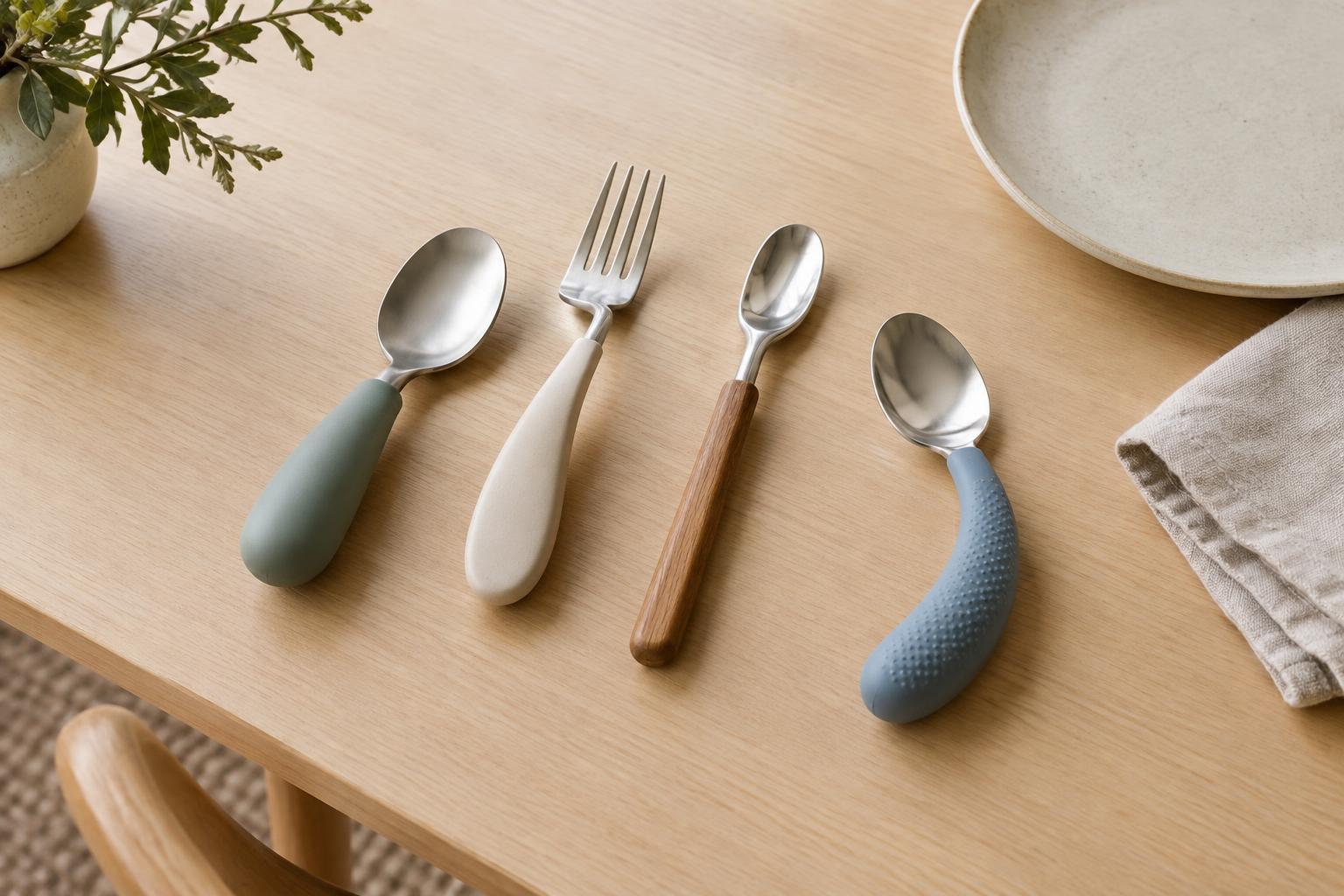
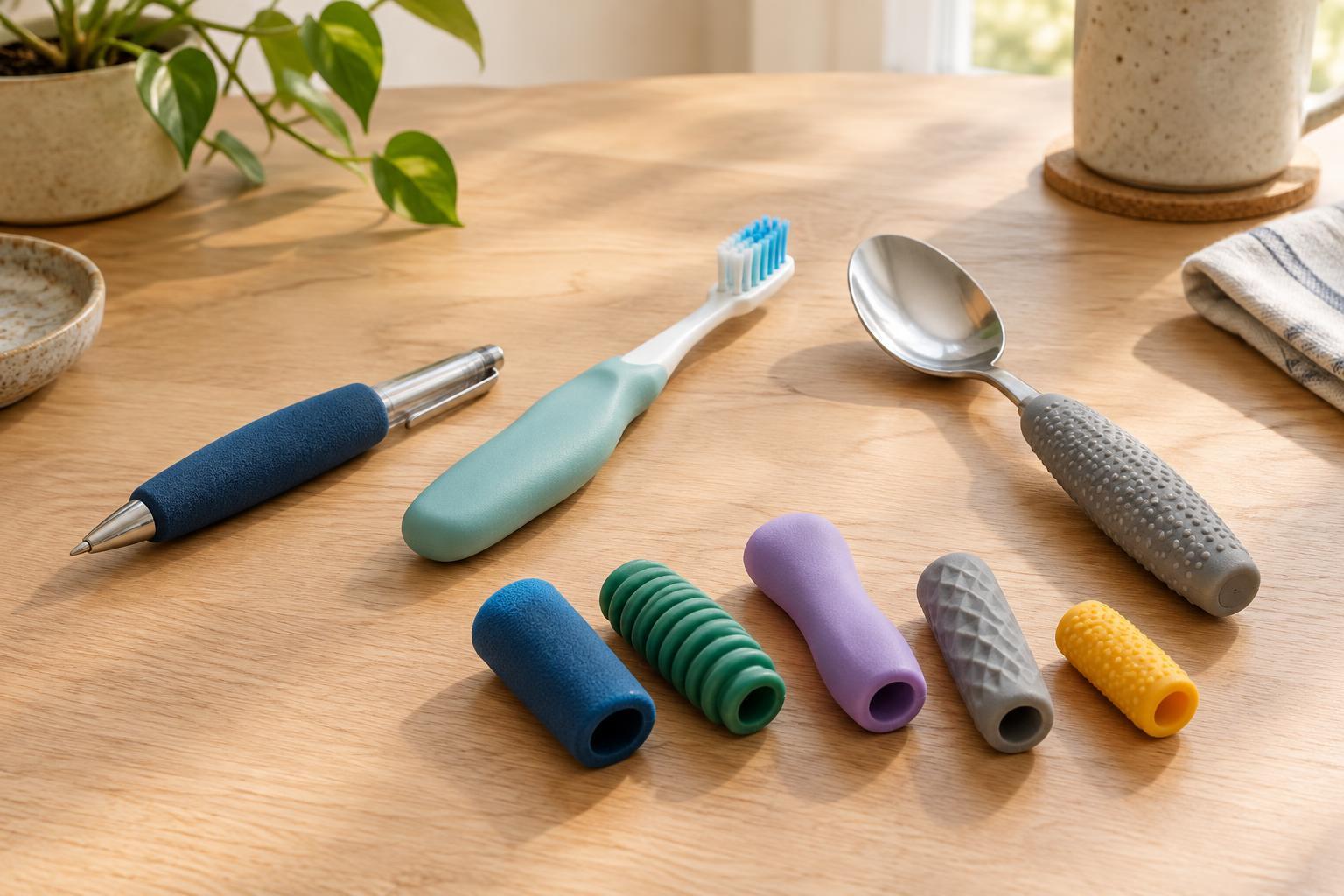
Handle thickness and shape affect how an item feels in the hand. A narrow handle may be difficult to hold steadily for some people; a very wide one may be awkward for others. Consider the grip the task actually calls for. Does the item need to be held loosely, squeezed, twisted, or guided precisely? Look at the usable gripping area rather than the overall product length, and notice seams, hard edges, or controls that sit where fingers naturally rest.
If you can try a product in person, hold it in the position you would use at home. With online listings, look for handle dimensions and clear photos from more than one angle. Check whether the surface appears easy to grasp when hands or the item are wet, if that is relevant to the task. Removable sleeves or padded handles can change the feel, but they can also change how the product is cleaned or stored. If possible, choose a return option when fit remains uncertain.
Think about weight while using and carrying it
A product’s listed weight is only part of the picture. An item may feel manageable when lifted briefly but tiring when held away from the body or used repeatedly. A long handle can shift much of the weight toward its far end. Also consider what the product will hold: a cup holder, tray, or reacher may feel different once loaded. Check both the product weight and any stated capacity, without assuming that capacity describes what will feel comfortable to use.
Imagine where the item will be picked up and set down. Can it be lifted from a shelf or drawer without an awkward motion? Would a lighter model be easier to position, even if a heavier one appears sturdier? When trying an item, use an ordinary, low-risk version of the task rather than testing it at its limits. The aim is not to find the strongest-looking product, but one that is practical to handle throughout its routine use.
Measure reach in the space where you need it
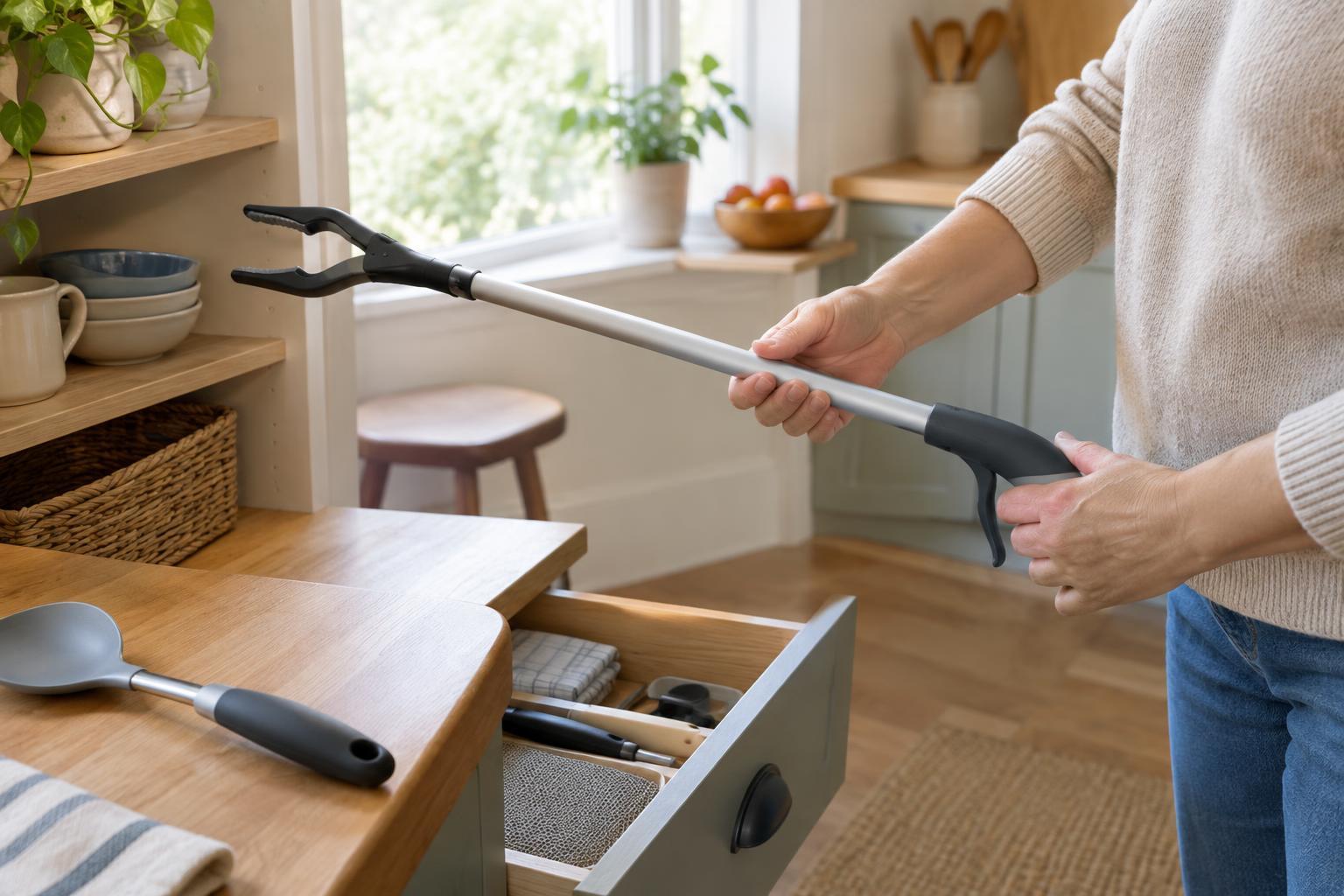
Extra length can help bring an object closer, but it can also make a product harder to steer. Before choosing a reacher, long-handled tool, or similar item, measure the distance from the position where you normally use it to the intended object. Include obstacles such as a deep shelf, a table edge, or a narrow gap. Product length alone may not tell you how far the working end can reach once your hand is holding the handle.
Check the surrounding clearance, too. Is there room to angle the tool, turn it around, and bring the object back? A long item may be inconvenient in a small bathroom or beside tightly arranged furniture. If an object is heavy, fragile, or stored high up, a different storage position may be more practical than a longer tool. Reach is most useful when the item can be controlled comfortably for the entire movement.
Plan where it will live before it arrives
A product is easier to use when it has a place near the task. Compare its full dimensions with the drawer, shelf, hook, or counter space available. Check whether it folds or comes apart, and whether those steps would be convenient every time. If it needs charging, drying, or cleaning, allow room for that as well. A storage spot that keeps an item out of the way but makes it hard to retrieve may defeat its purpose.
Before ordering, make one final pass through your notes: Can you hold it, manage its weight, use its full reach in your space, and store it where you will find it? Measurements and photos cannot settle every question of comfort, so consider a hands-on trial or a clear return policy when available. Choosing by task and environment, rather than by features alone, gives you a better chance of finding a product you will actually use.