Start with the purpose of the visit
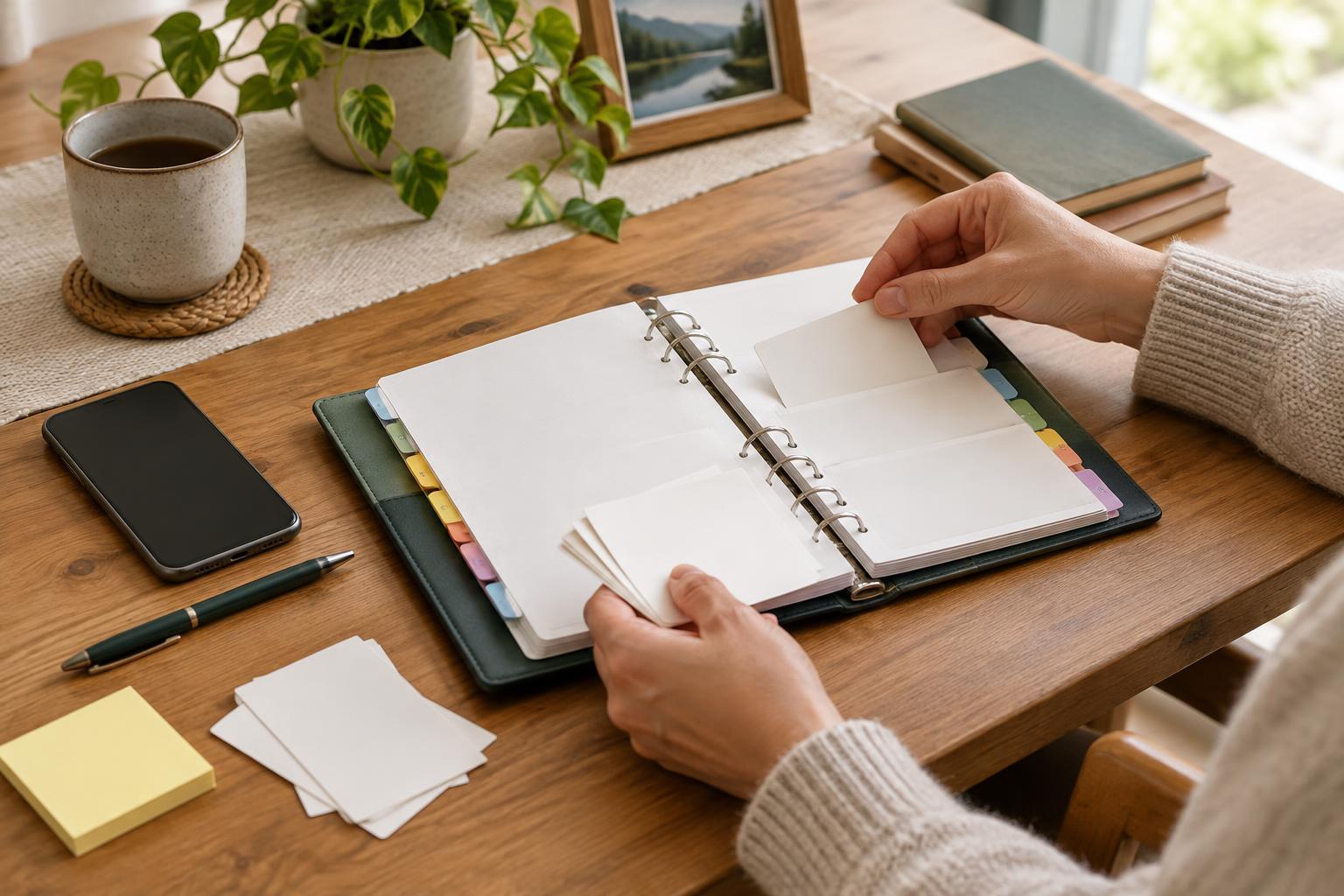
Before gathering paperwork, write down why the appointment is happening in one or two sentences. You might be attending a first meeting, following up on an earlier conversation, discussing a new concern, or arranging support. This short summary can help you decide which information is relevant without trying to bring every document you own.
Next, list the two or three things you most want to understand by the end of the visit. For example, you may want to know what will happen next, whom to contact with a question, or how to access written information afterward. If someone else is attending with you, compare priorities in advance so you can use the time in a way that works for you.
Put documents and details in one place
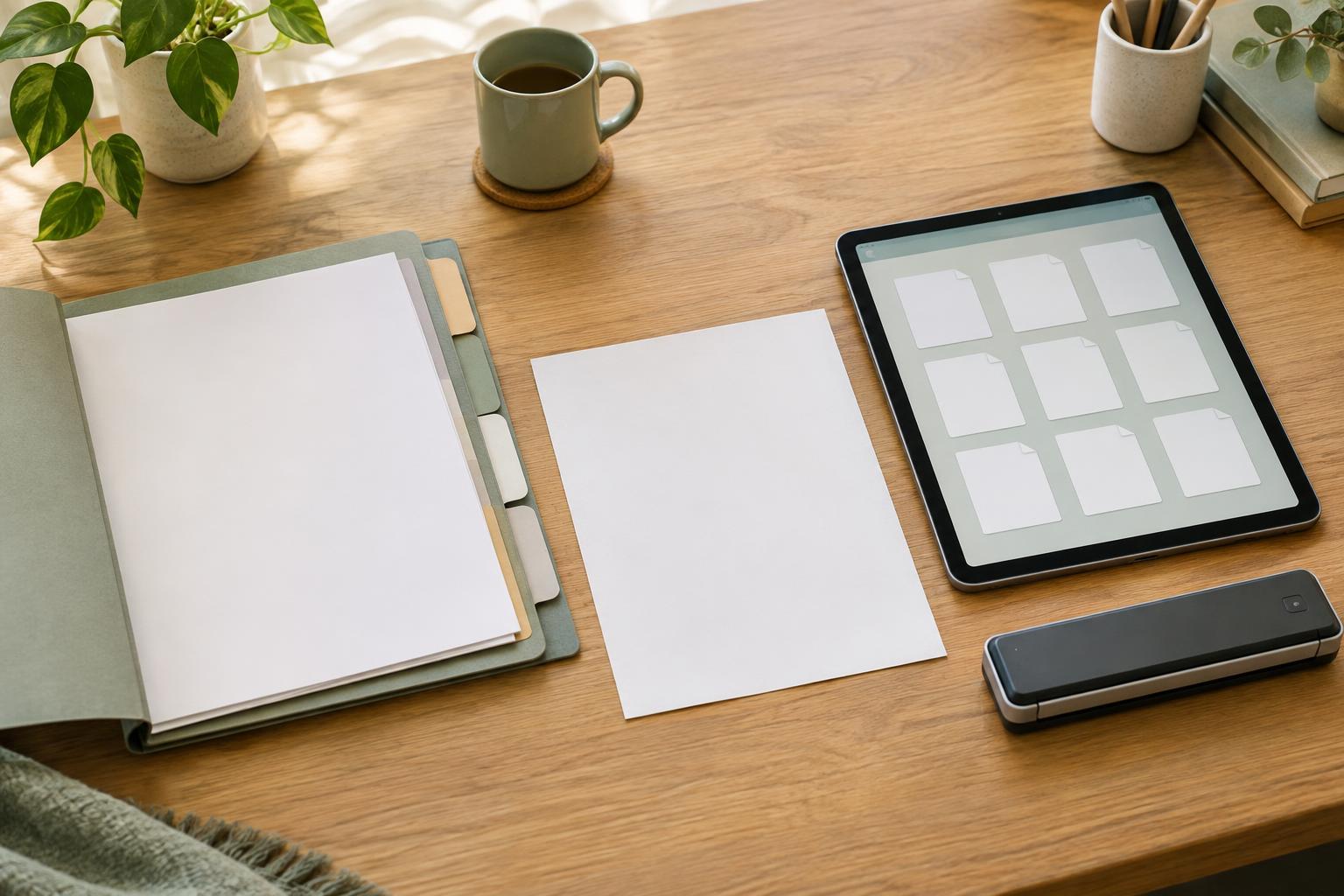
Check the appointment message for anything you have been asked to bring or complete. Depending on the setting, useful items may include the booking details, identification, an insurance or payment card if applicable, referral information, relevant letters, and forms you have already filled in. Bring only what seems pertinent, and contact the office beforehand if a requirement is unclear.
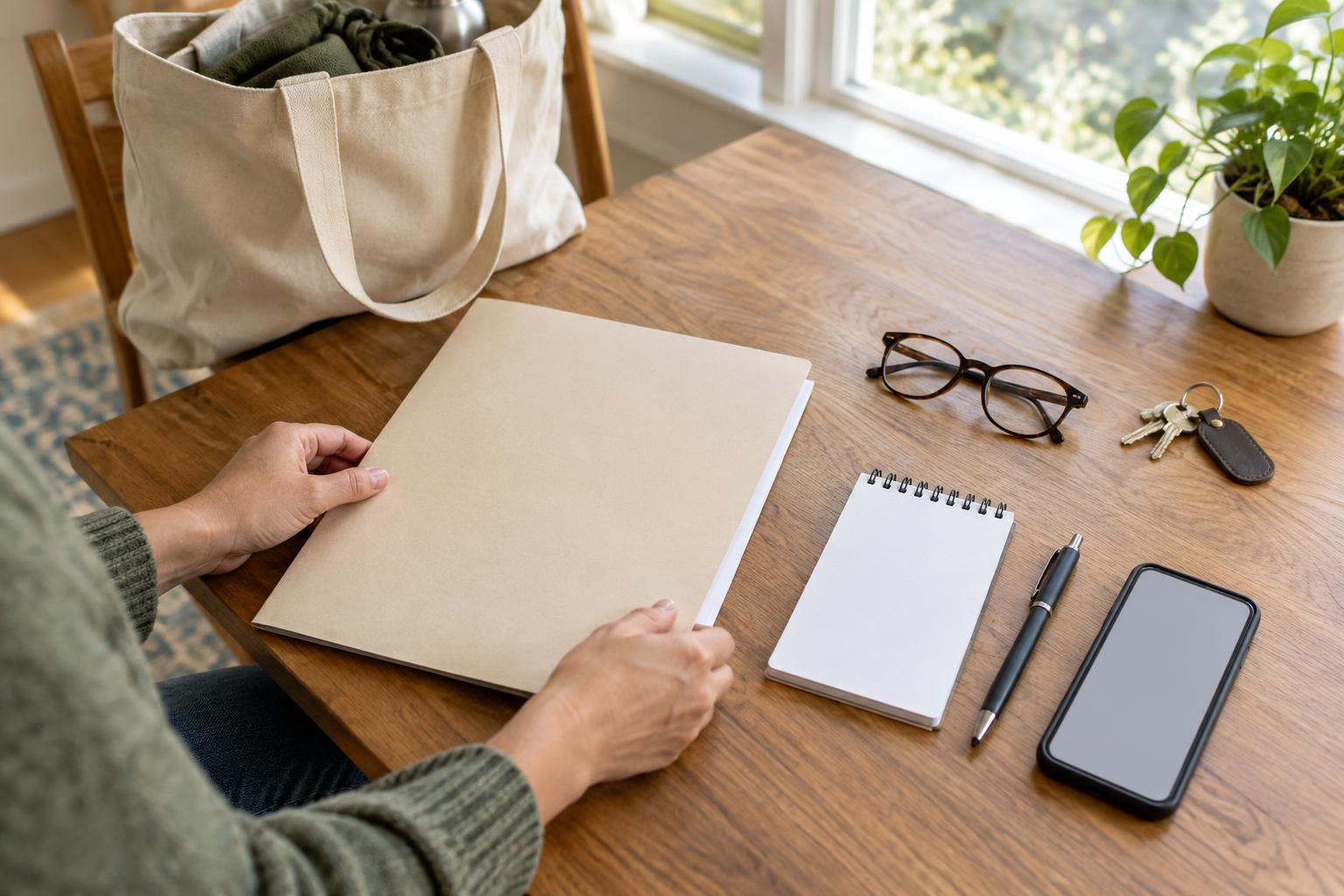
A brief personal note can be easier to use than a large stack of papers. Include important dates, the names of people or services already involved, and any information you want to describe accurately. If products, medicines, or devices are relevant to the conversation, a current list or photos of labels may help you recall their names. Keep sensitive documents together in a folder or secure device, and avoid sending personal information through an unverified contact method.
Make questions easy to find
Write questions in everyday language rather than trying to use technical terms. Put the most important one first in case time is limited. Helpful prompts include: What are the available next steps? Is there anything I need to arrange? When and how will I receive information? Who should I contact if I have a question later? Leave space beneath each question for a short answer.
Think about how you prefer to receive information. If spoken explanations are hard to remember, you can ask whether a written summary is available or take notes during the visit. If a term is unfamiliar, ask for it to be explained in plain language. You can also bring a trusted person to help listen or take notes, subject to the setting’s rules and your own preferences. Decide beforehand what you are comfortable discussing in front of them.
Plan the route and the room
Confirm the date, time, address, and whether the appointment is in person, by phone, or online. For an in-person visit, check the entrance, transport options, parking arrangements, and where to report on arrival. Allow time for delays and any forms that may need completing. If travel is difficult, ask the office what options it offers rather than assuming an alternative is available.
Consider access needs early enough for the organization to respond. You might ask about step-free entry, a quieter waiting area, seating, an interpreter, captioning, or another communication format. For a remote appointment, test the device, connection, sound, and link if one has been provided. Find a place where you can hear comfortably and discuss private matters without being overheard.
Leave with a clear next step
Near the end of the appointment, check your understanding of what happens next. Note any task you have agreed to do, who is responsible for other actions, and how you will be contacted. If a follow-up is expected, ask how it will be arranged. It is reasonable to repeat the plan in your own words so misunderstandings can be corrected before you leave.
Afterward, place notes, handouts, and any new appointment details in the same folder you used to prepare. Add reminders for tasks or dates that matter to you, and write down unanswered questions while they are fresh. The goal is not a perfect filing system: it is a simple record you can find when you need it.