Start with the person and the task
A multilingual plan begins with a simple question: what does someone need to do with this information? A visitor finding an entrance has a different need from a person preparing for an appointment or asking a question at a reception desk. List the common tasks in the space, then identify which signs, forms, messages, and conversations support them. This makes it easier to prioritize information that helps people navigate, prepare, and respond.
Ask people which language they prefer for spoken and written communication rather than assuming the two are the same. A person may speak one language comfortably but prefer to read another. Record the preference in a place that staff who communicate with them can find, and provide an easy way to correct it. Language choice is one part of accessibility: readable layouts, clear wording, and options beyond written text still matter.
Use translation for information people need to read
Translation turns written content into another language. It is useful for recurring materials such as directions, appointment preparation notes, and explanations of how to contact a service. Before translating, improve the original: use familiar words, short sentences, descriptive headings, and one clear action at a time. If the source text is confusing, translating it is unlikely to make it clearer.
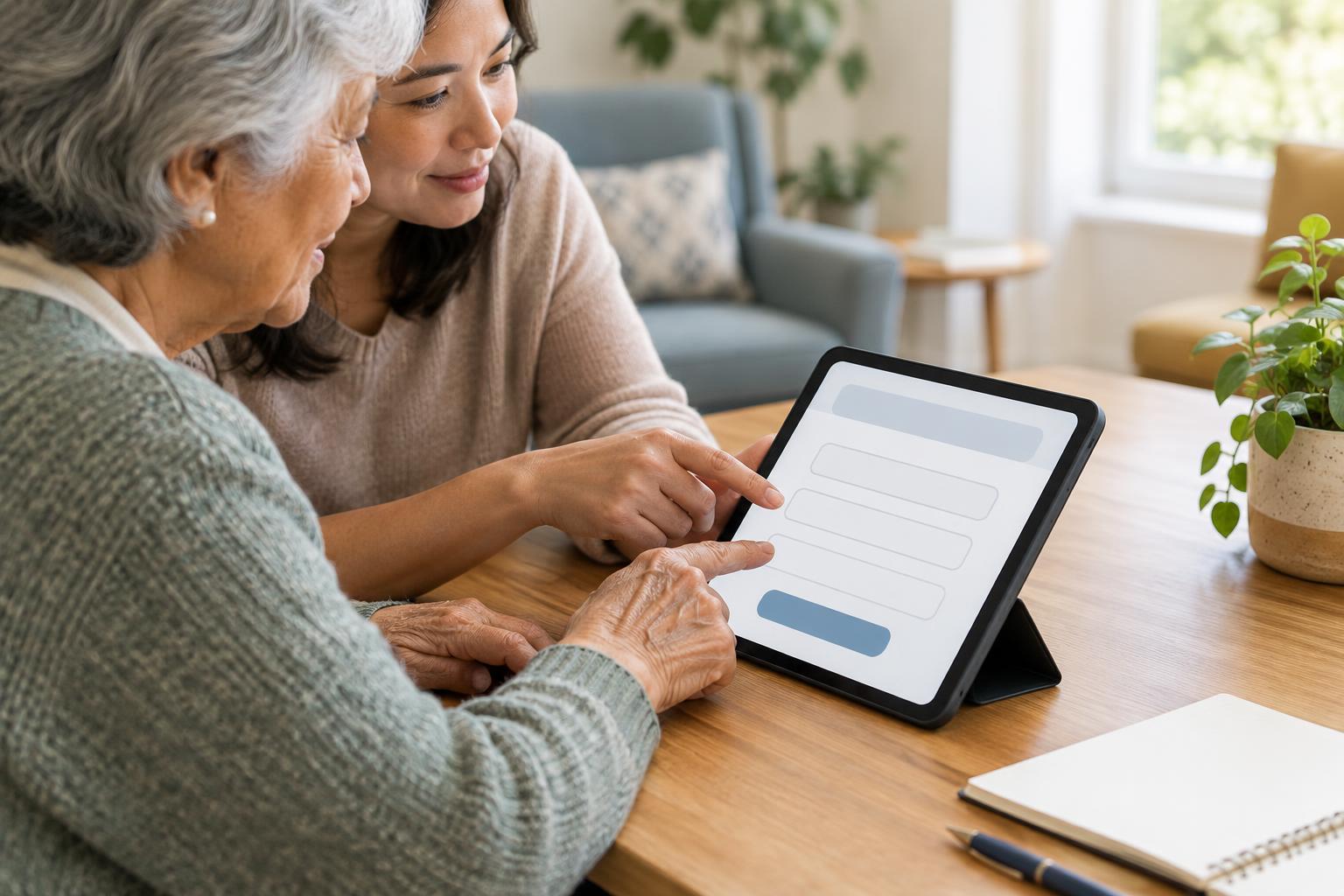
Plan for the whole piece of communication, not just its main paragraph. Buttons, form labels, error messages, captions, and instructions printed beside a device may all affect whether someone can complete a task. Leave room in layouts because translated text may take more space. For important recurring materials, arrange a review by someone qualified to assess both the language and its intended use. Keep a record of which version is current so old translations can be updated when the source changes.
Use interpretation for two-way conversation
Interpretation supports a live exchange between people who do not share a comfortable spoken language. It allows questions, clarification, and changes of direction in a way a translated leaflet cannot. Decide in advance how staff can access an interpreter for scheduled conversations and unexpected questions. Where possible, allow time for the extra turns in the conversation rather than treating interpretation as an interruption.
Staff can help by speaking directly to the person, using short complete statements, and pausing for interpretation. Avoid asking a companion to interpret simply because they are present; the person may prefer privacy or may not want that companion involved. If an interpreter is unavailable, staff should know how to pause a non-urgent exchange and seek an appropriate communication option rather than guessing at what has been understood.
Give automated tools a limited role
Automated translation can help a team explore draft wording or understand the general subject of a low-stakes message. It can also produce fluent text that misses a crucial distinction, especially when the original is ambiguous or uses specialized terms. A polished result is not proof that the meaning is right. For information where a misunderstanding could affect a decision or an important next step, a machine-generated version should not replace appropriate human language support and review.
Consider privacy before entering messages, names, or personal details into any tool. Teams should know what information may be shared with a tool and which approved options are available in their setting. If automated text is used during drafting, label it as a draft and make clear who will check it before publication. The goal is not to reject useful technology, but to match its use to the consequences of an error.
Build a process that people can use
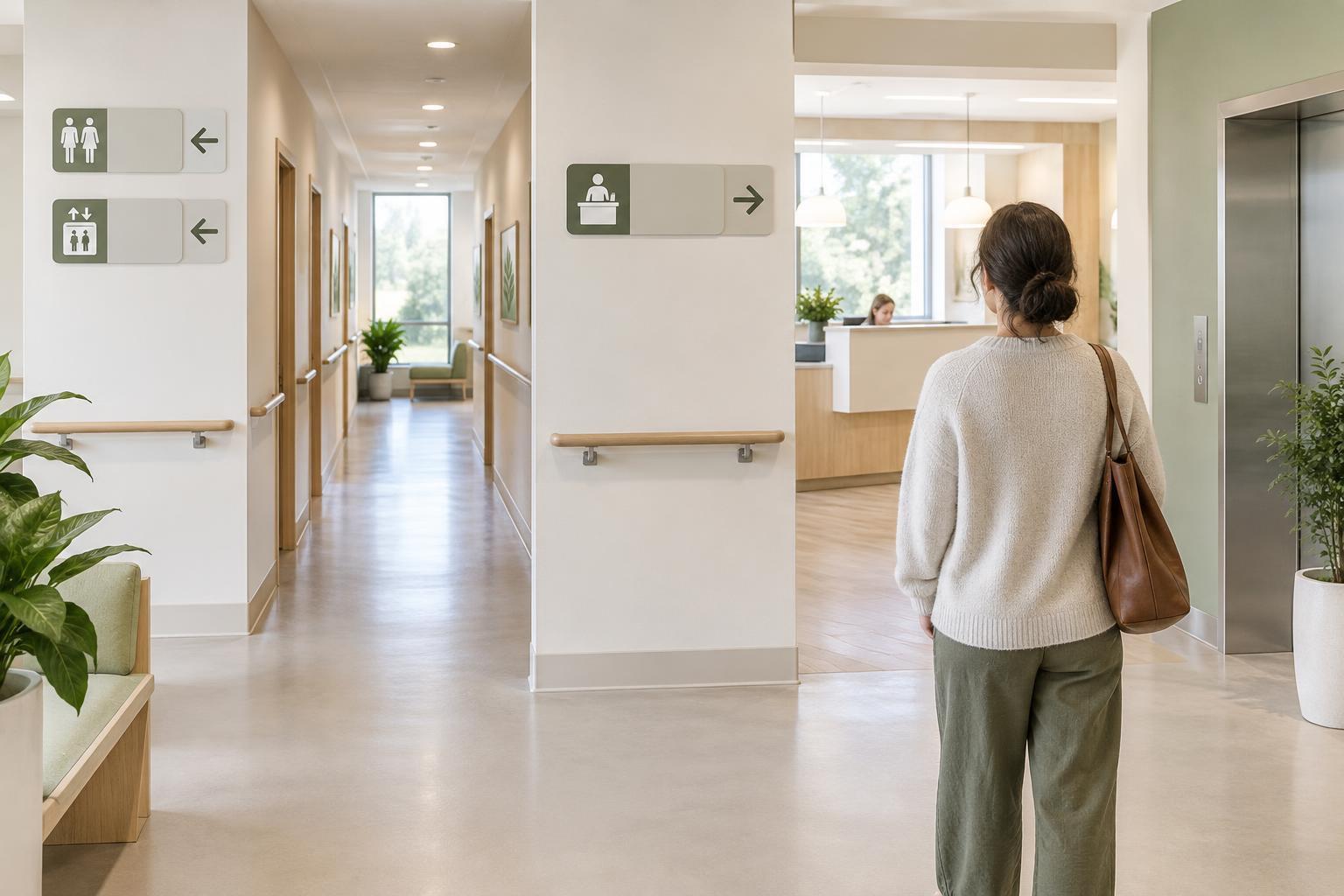
A workable plan names the owner of each item, the person responsible for updates, and the route for reporting a confusing phrase. Start with a small set of high-use materials and test whether people can find and use them in realistic situations. A sign may be accurately translated yet placed too far from the decision point; a translated form may still have too little space for an answer. Feedback should cover the entire experience, not just the words.
Make the available language options visible without forcing people to explain their needs in public. A short notice at an entry point, on a form, or in an appointment message can tell people how to request help. Finally, review materials whenever processes change. Clear multilingual communication is an ongoing design practice: translation provides readable information, interpretation supports conversation, and careful checks help both remain useful.