Prepare one page before you go
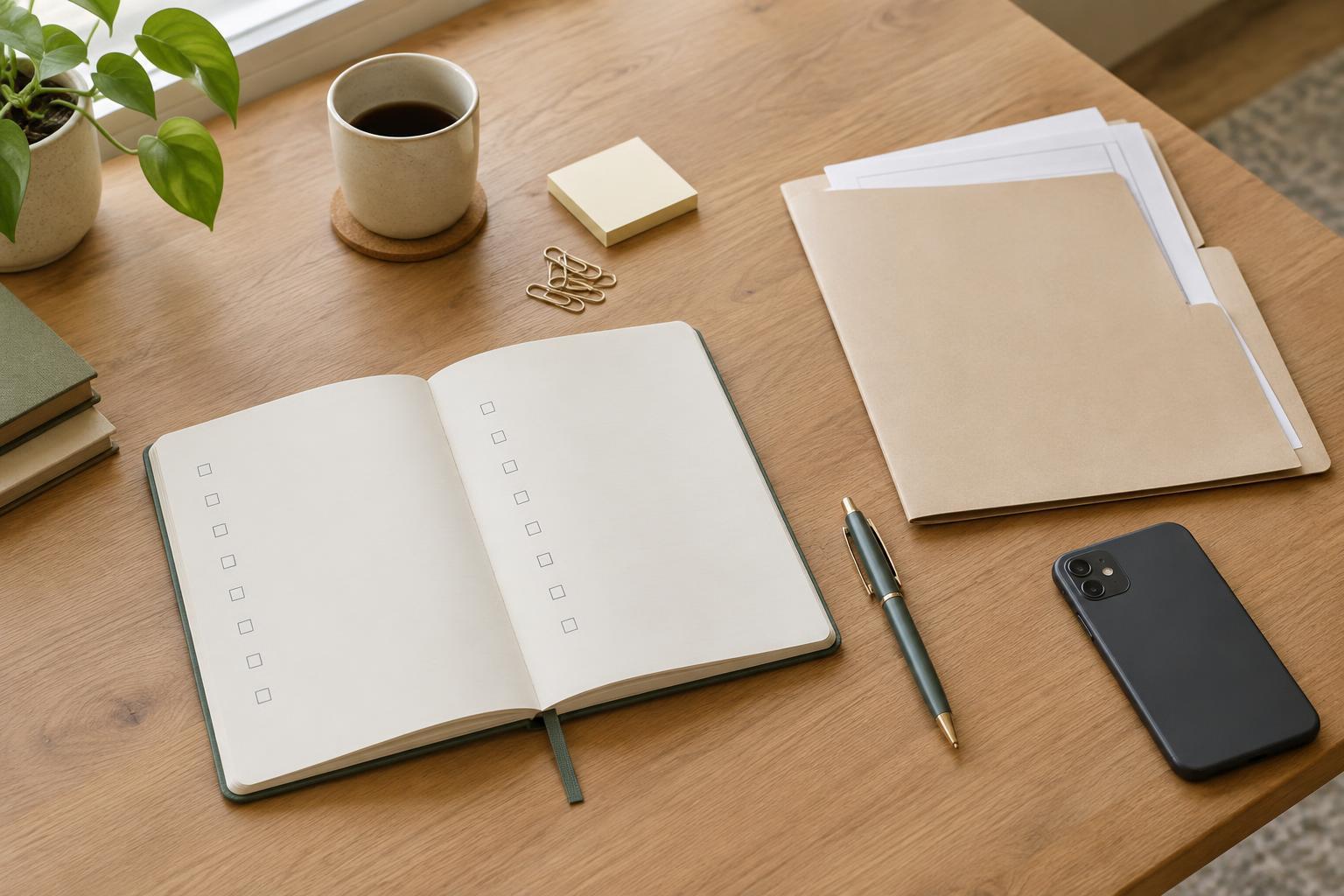
A useful appointment record starts before the conversation. On one page, write the date, who you expect to meet, the main reason for the visit, and the questions you most want answered. Put your highest-priority question first. If you have a long list, mark the items that can wait so you can use limited time on what matters most.
Leave space under three simple labels: “What we discussed,” “What I need to do,” and “What happens next.” You can use a notebook, a printed sheet, or a note on your phone. The best format is one you can find and read later. If you plan to bring someone to help with notes, agree in advance what you would like them to record and what you would rather keep private.
Capture meaning, not a transcript
Trying to write down every sentence can make it harder to listen. Instead, note the key points in your own words: the question you asked, the answer you understood, any options discussed, and any decision made. Record unfamiliar terms so you can ask what they mean before you leave. A short phrase such as “I need to check this” is more useful than a confident-looking note you do not understand.
Give particular attention to next steps. If someone mentions a form, referral, test, document, or later conversation, write down who is expected to arrange it and how you will hear about it. Where a time frame is given, capture it as stated rather than guessing at a date. If no time frame is clear, ask. Before the appointment ends, you can briefly repeat your understanding of the plan and invite corrections.
Turn each next step into a task
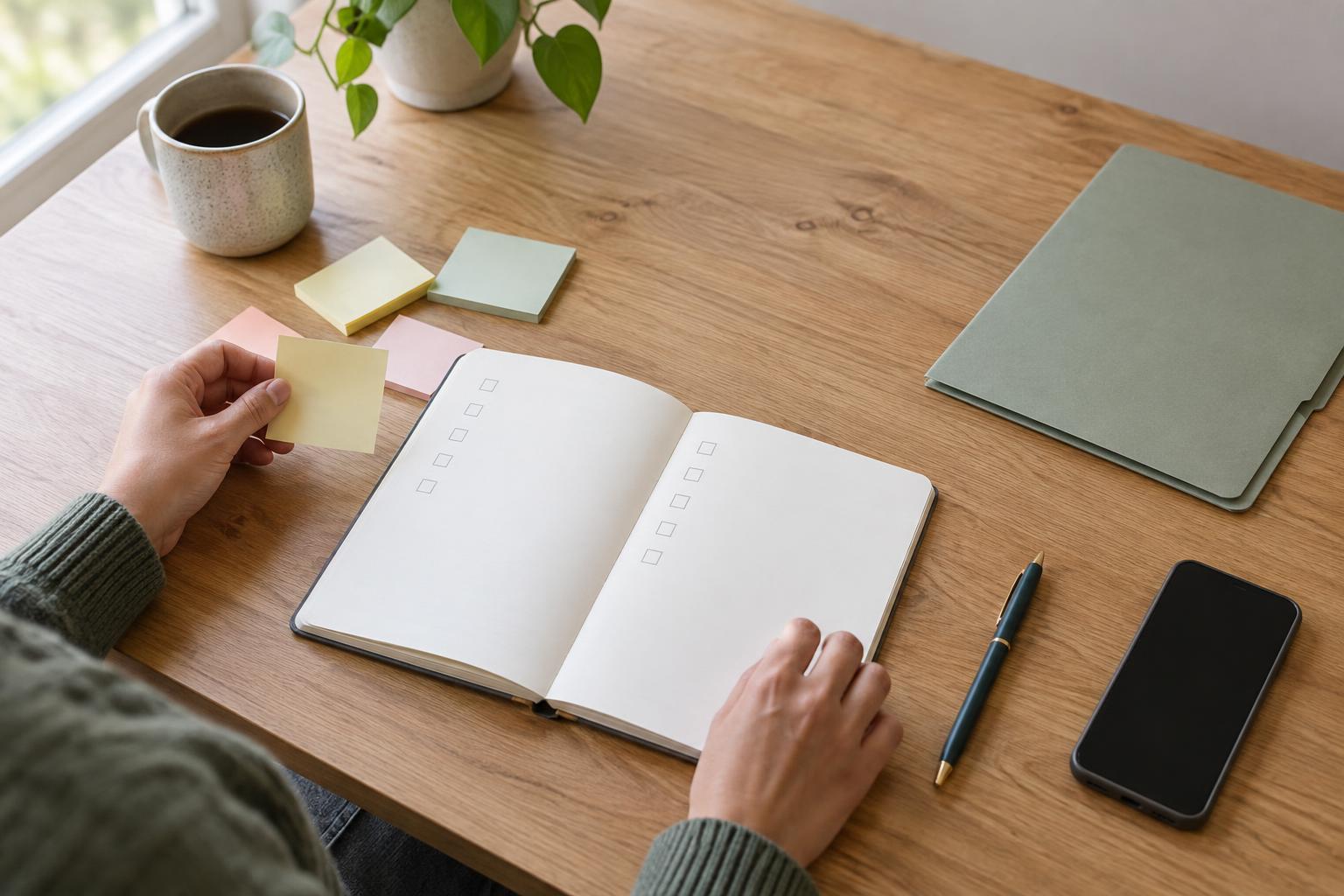
Soon after the appointment, review your notes while the conversation is still familiar. Separate information you want to keep from actions you need to take. For each action, write a task that begins with a verb, such as “send the form” or “book the next appointment.” Add an owner, any stated deadline, and what you need to do it. “Follow up” is vague; “call the office to ask whether the requested document has arrived” is easier to act on.
Some items depend on another person or organization. Put these on a separate “waiting for” list rather than treating them as tasks you can finish yourself. Note what you are waiting for and when it would be reasonable to check in, based on the guidance you received. If that guidance was unclear, contact the relevant office to ask about the usual process instead of assuming that no news has a particular meaning.
Make the plan easy to find and share
Keep the task list somewhere you already look, such as a calendar, paper planner, or familiar notes app. A reminder can help with a deadline, but it should say what action to take, not just “appointment.” If several steps are involved, break them up. For example, gathering a document and sending it are two tasks if you cannot do both at once.
Appointment notes may contain personal information. Store them in a place that fits your privacy needs, and share only the parts another person needs to help. If a family member, friend, or support worker is assisting, decide who will make calls, keep paperwork, or track replies. A clear division of work reduces duplicated effort and makes it less likely that an important step will be assumed to be someone else’s job.
Keep questions open until they are answered
Not every question is resolved during one visit. Keep a small “still unclear” section alongside your tasks. Include what you need clarified and whom you plan to ask. This prevents an uncertain note from quietly becoming a decision. When you receive an answer, add it to the record with enough context that you will recognize what it refers to later.
The aim is not to create a perfect archive. It is to leave each appointment with a dependable account of what you understood, what you need to do, and what you are waiting to hear. A brief review before the next appointment can then show which tasks are complete, which questions remain, and what would be helpful to raise.