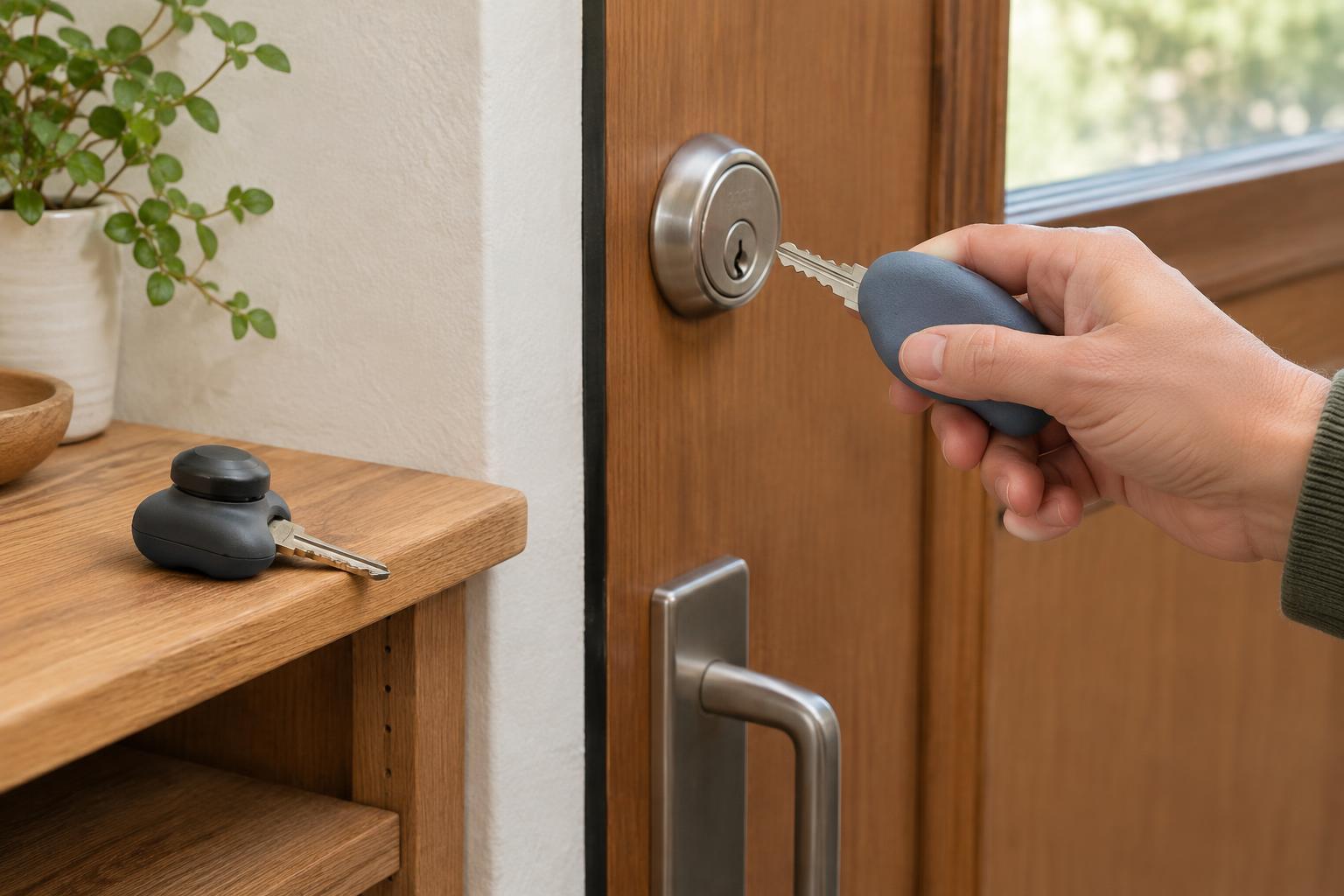
Everyday Assistive ProductsA small house key can be awkward to hold and turn. Learn how enlarged grips and key turners differ, what to check for compatibility, and how to try an option without making a door harder to use.
Read article · 3 min↗
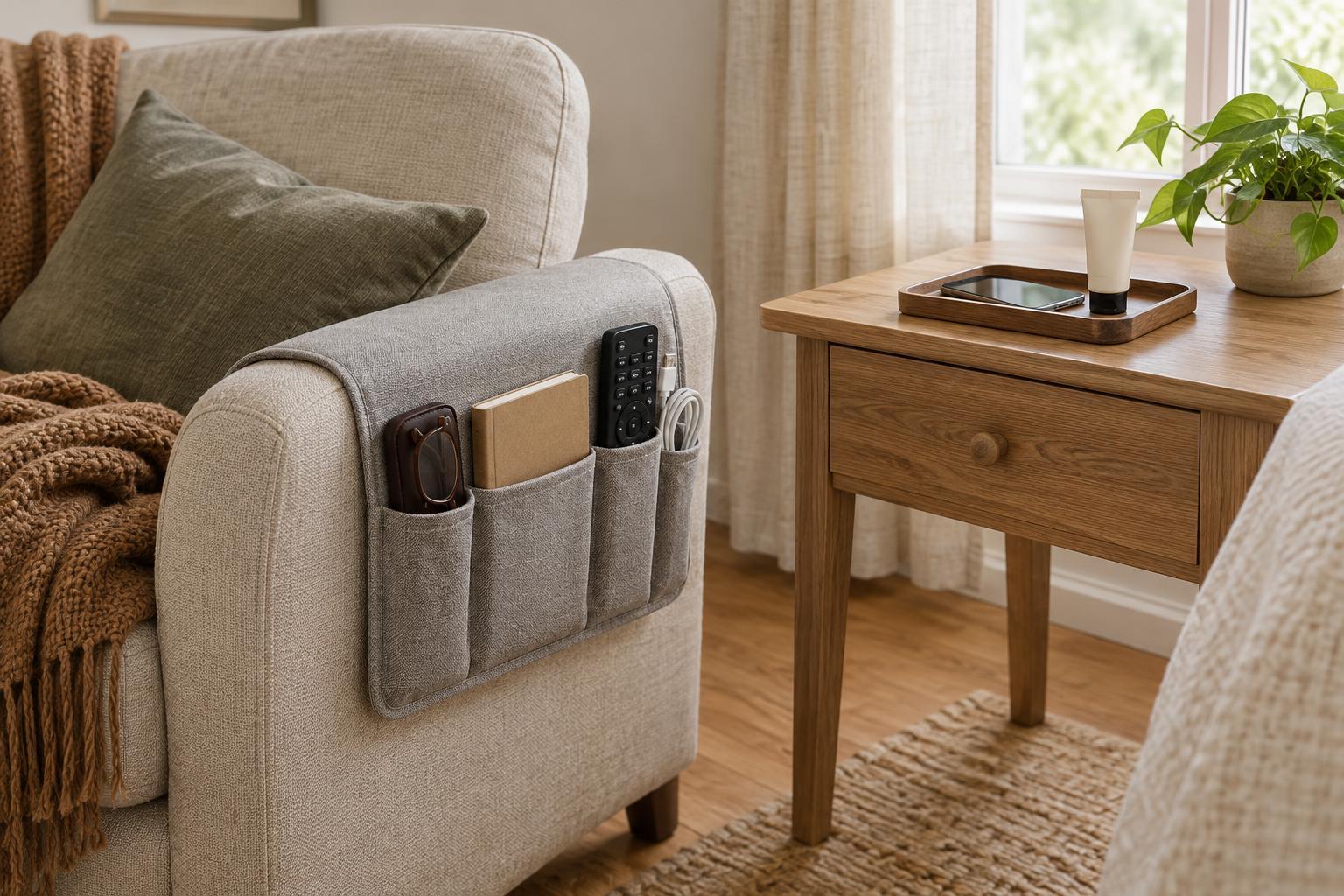
Everyday Assistive ProductsA chairside or bedside organizer can keep small items easier to find without crowding a table or floor. Compare pockets, caddies, and trays by what they hold, how securely they stay in place, and whether they remain comfortable to use.
Read article · 3 min↗
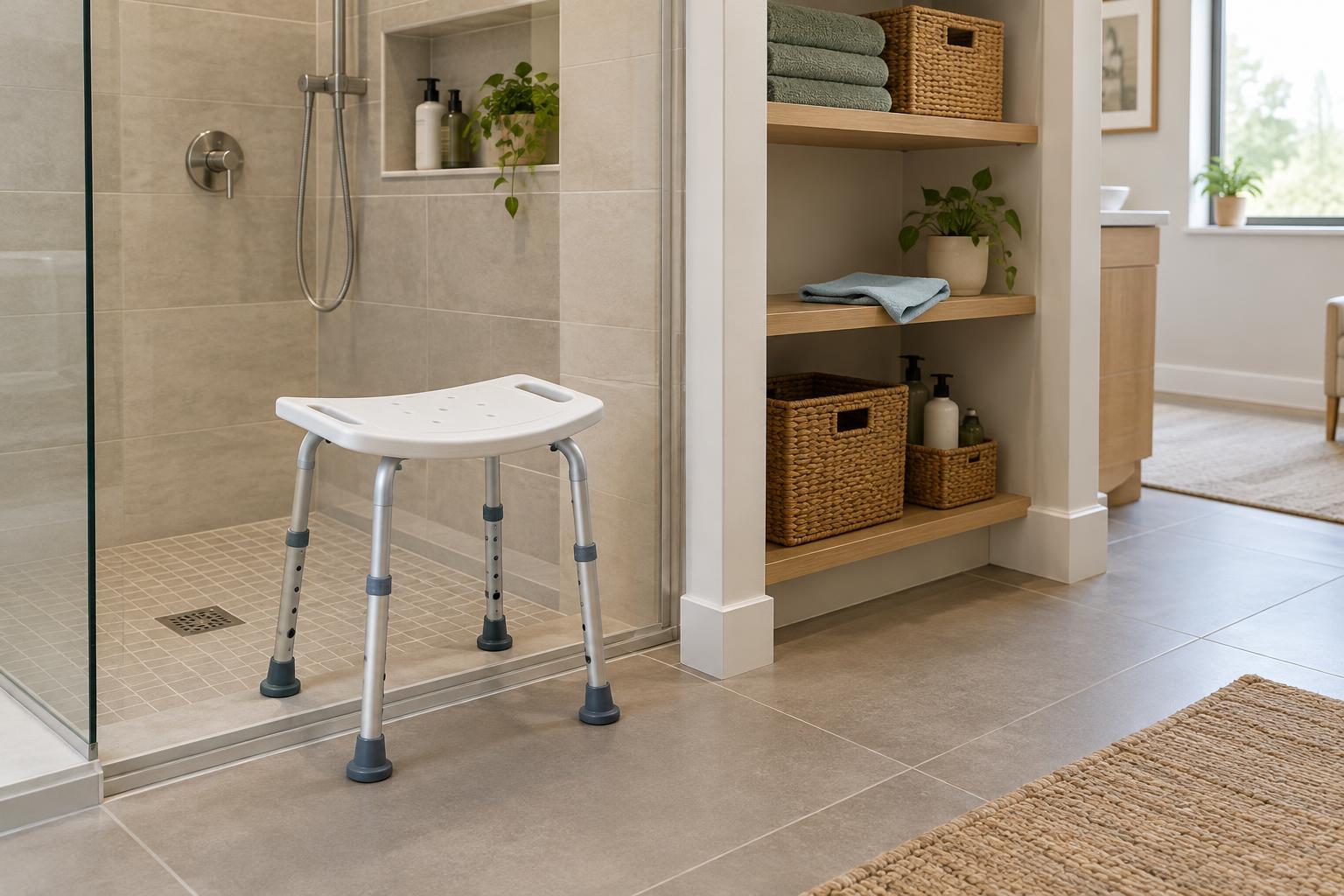
Everyday Assistive ProductsA useful assistive product should work in the space where it will be used, fit the person and the task, and be manageable between uses. This guide explains common buying mistakes and offers a simple way to compare everyday products before committing.
Read article · 4 min↗
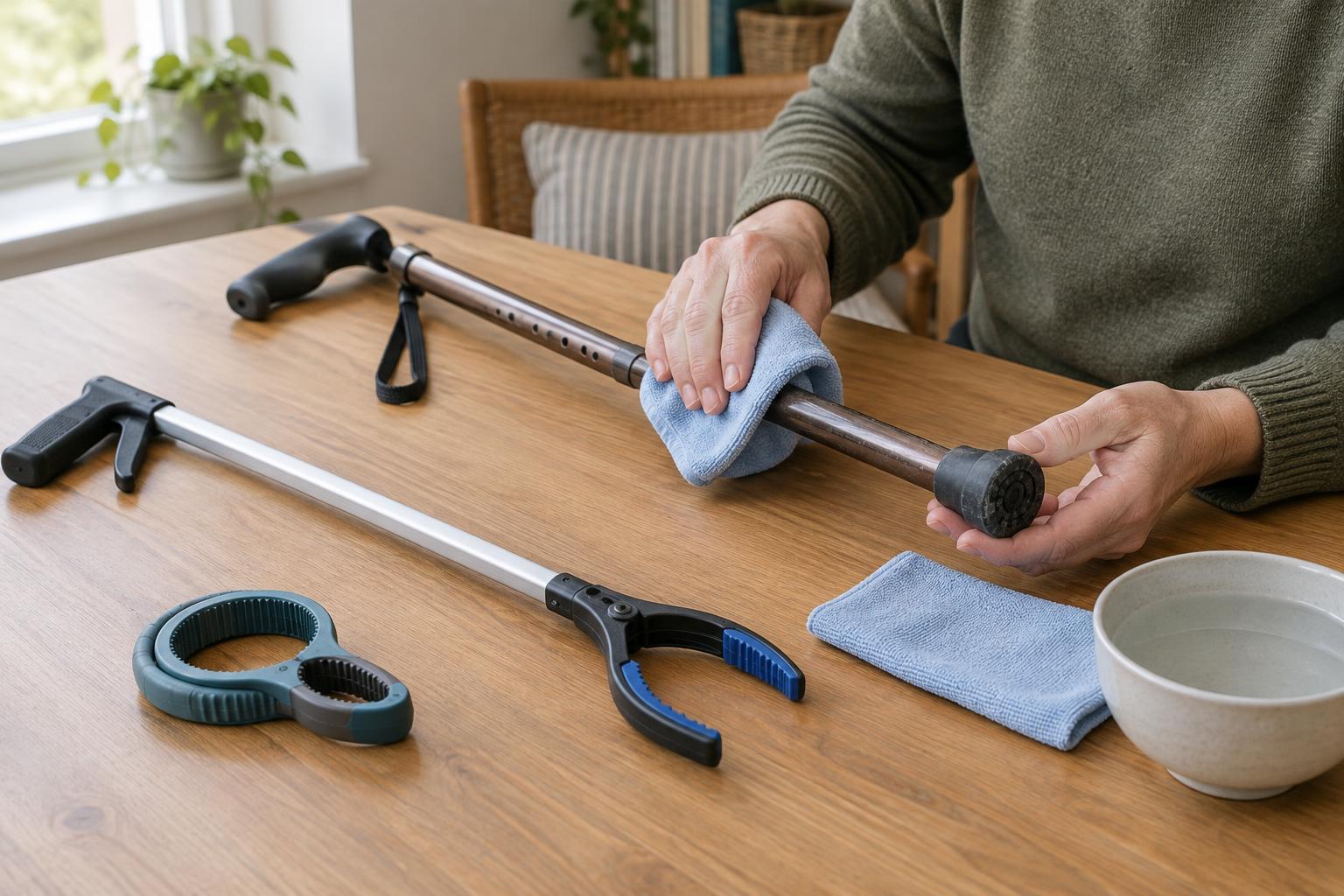
Everyday Assistive ProductsA simple routine can help keep everyday assistive products clean and easier to inspect. Learn how to account for different materials, check common wear points, and recognize when an item may need a replacement part or should be taken out of use.
Read article · 4 min↗
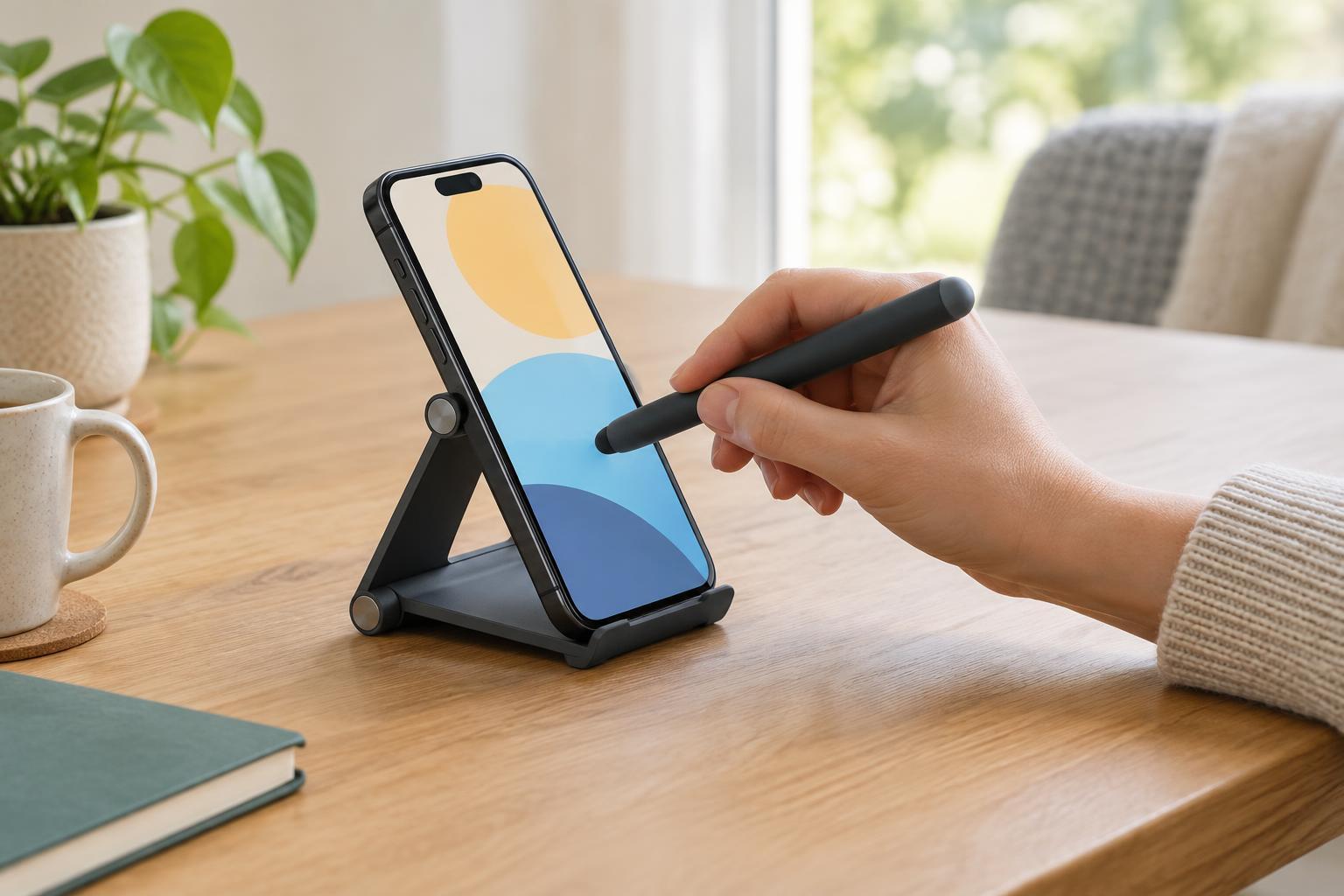
Everyday Assistive ProductsA phone stand can reduce the need to hold a device, while a touchscreen stylus can offer another way to tap, scroll, and write. Here is how to compare everyday options and set them up for comfortable, reliable use.
Read article · 4 min↗
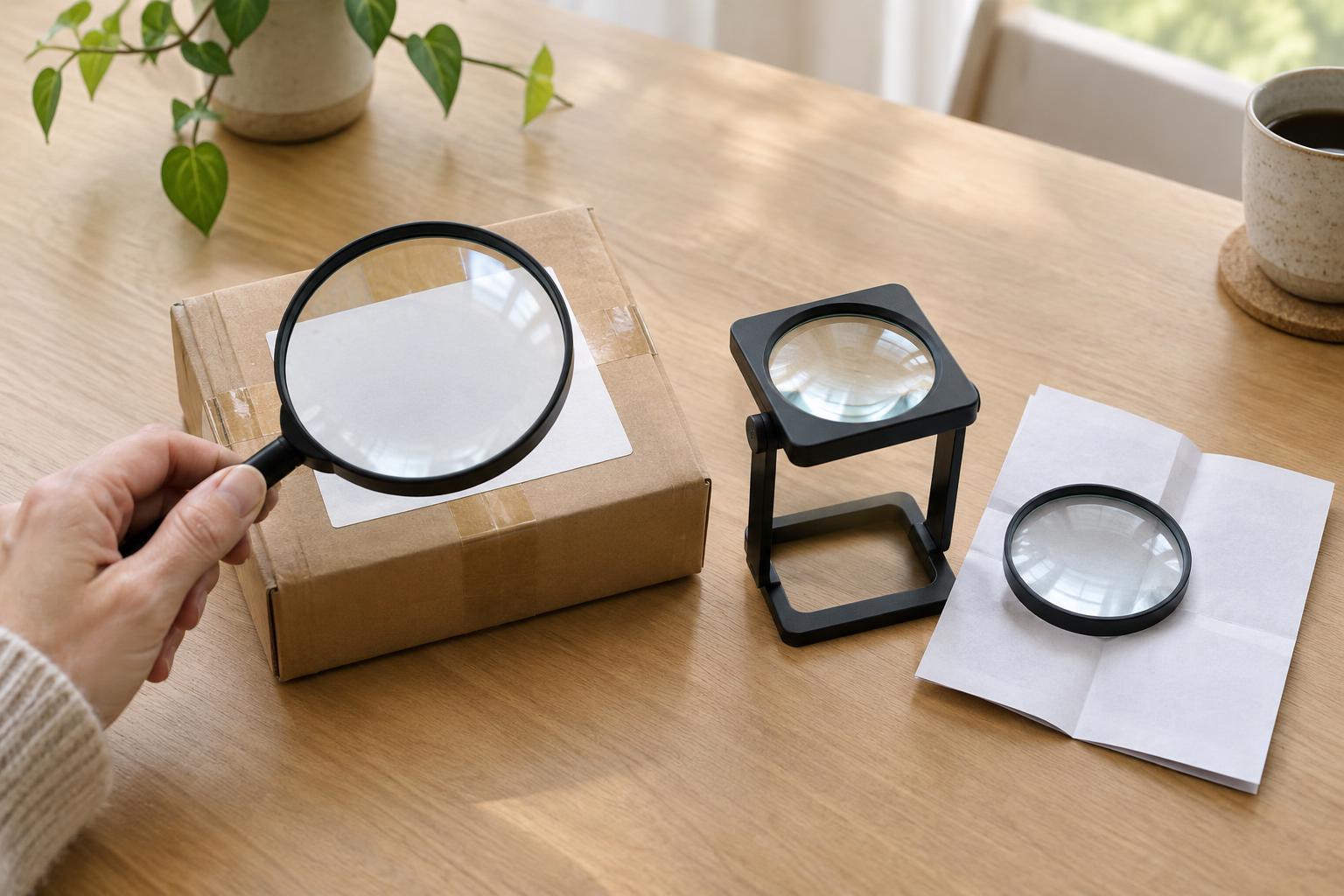
Everyday Assistive ProductsA handheld magnifier is easy to move across packages and signs, while a stand magnifier rests on the reading surface and keeps its lens at a set distance. Learn how to compare the two for labels, instructions, and other everyday small print.
Read article · 4 min↗
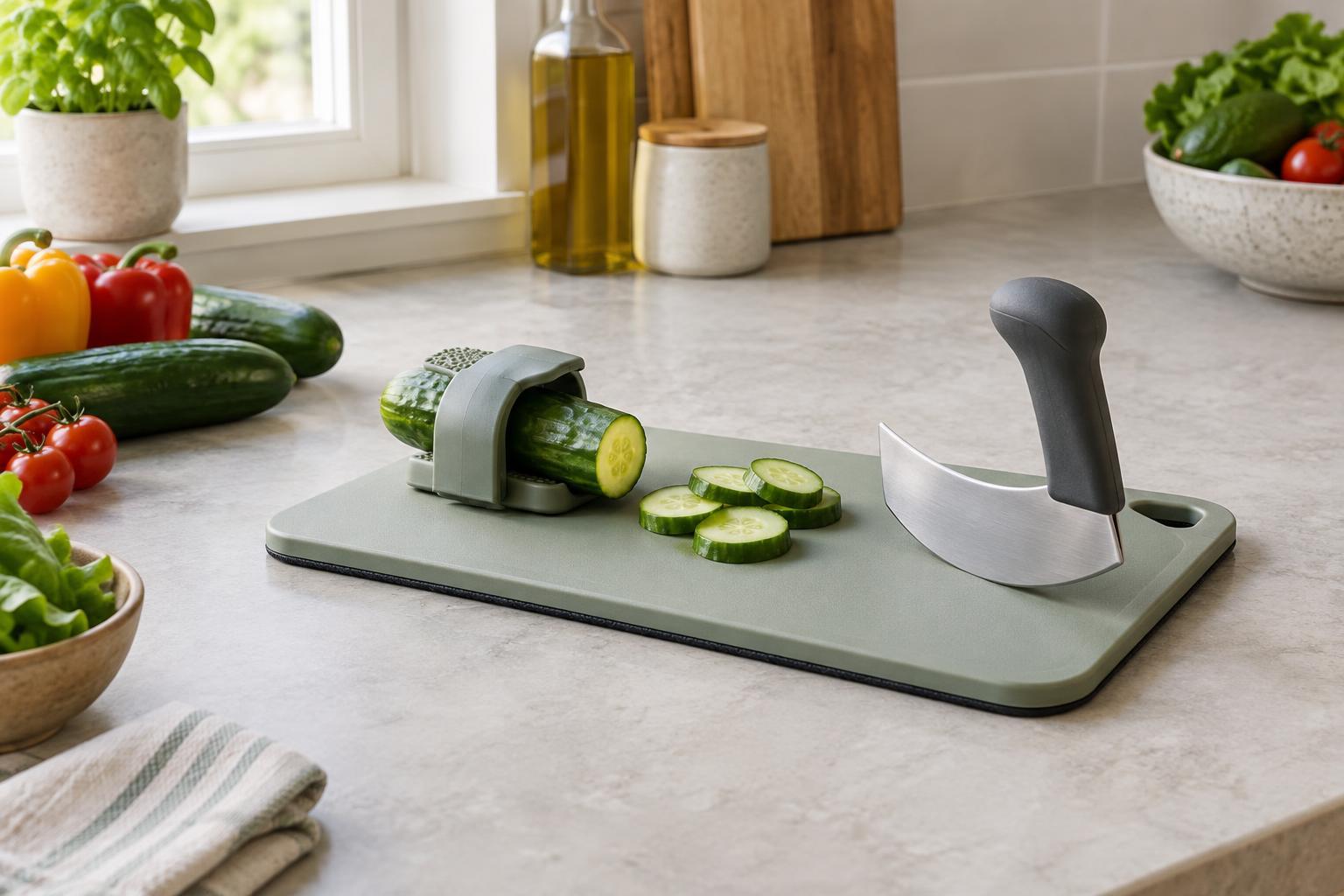
Everyday Assistive ProductsA cutting board with a food holder can help keep ingredients in place, while a rocker knife offers a different way to cut. Learn how these tools work, what to check before choosing them, and how to set up a practical preparation space.
Read article · 4 min↗
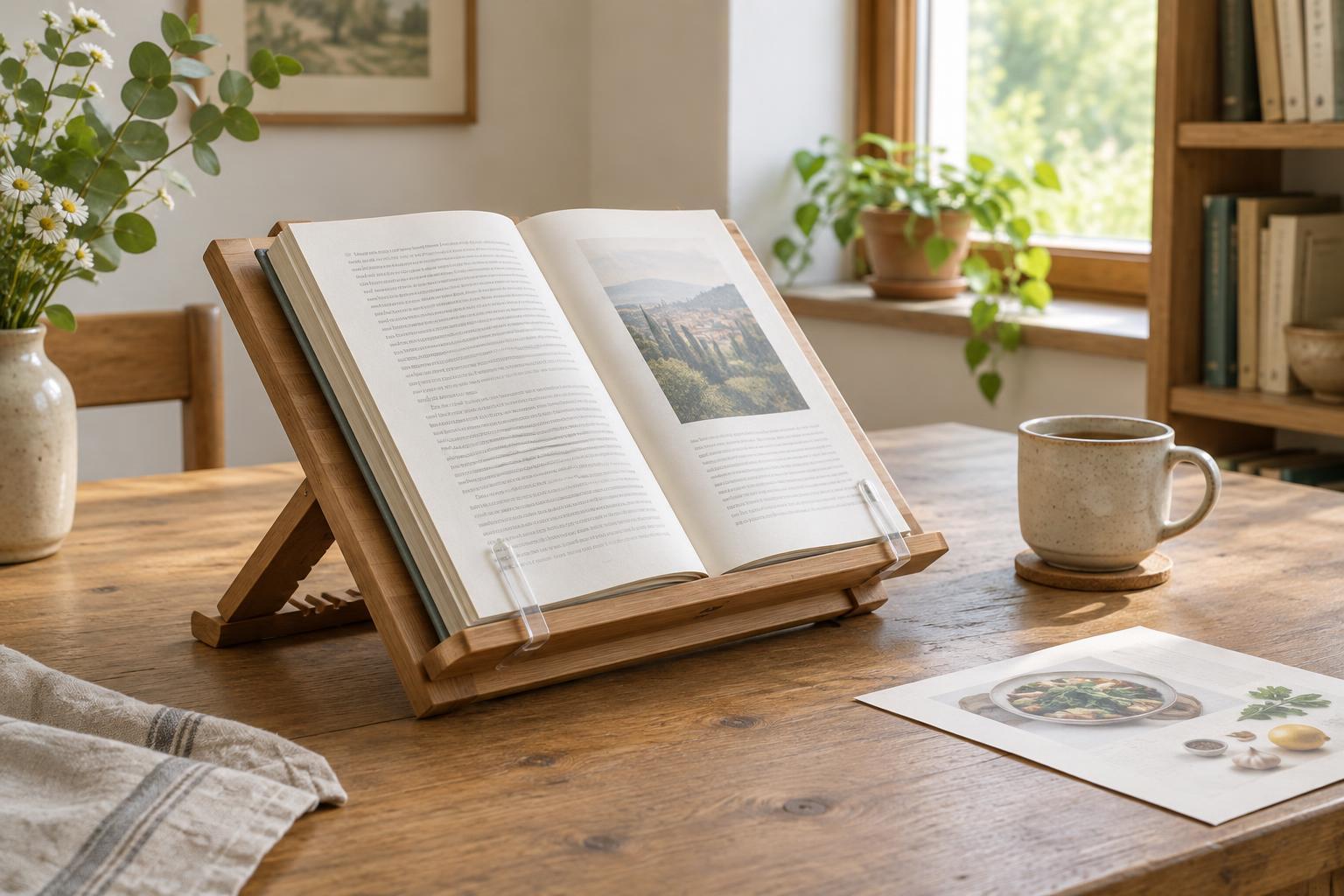
Everyday Assistive ProductsA book stand or page holder can keep printed materials in view without requiring someone to hold them open. Learn how common designs differ and what to consider for books, recipes, forms and other everyday reading.
Read article · 4 min↗
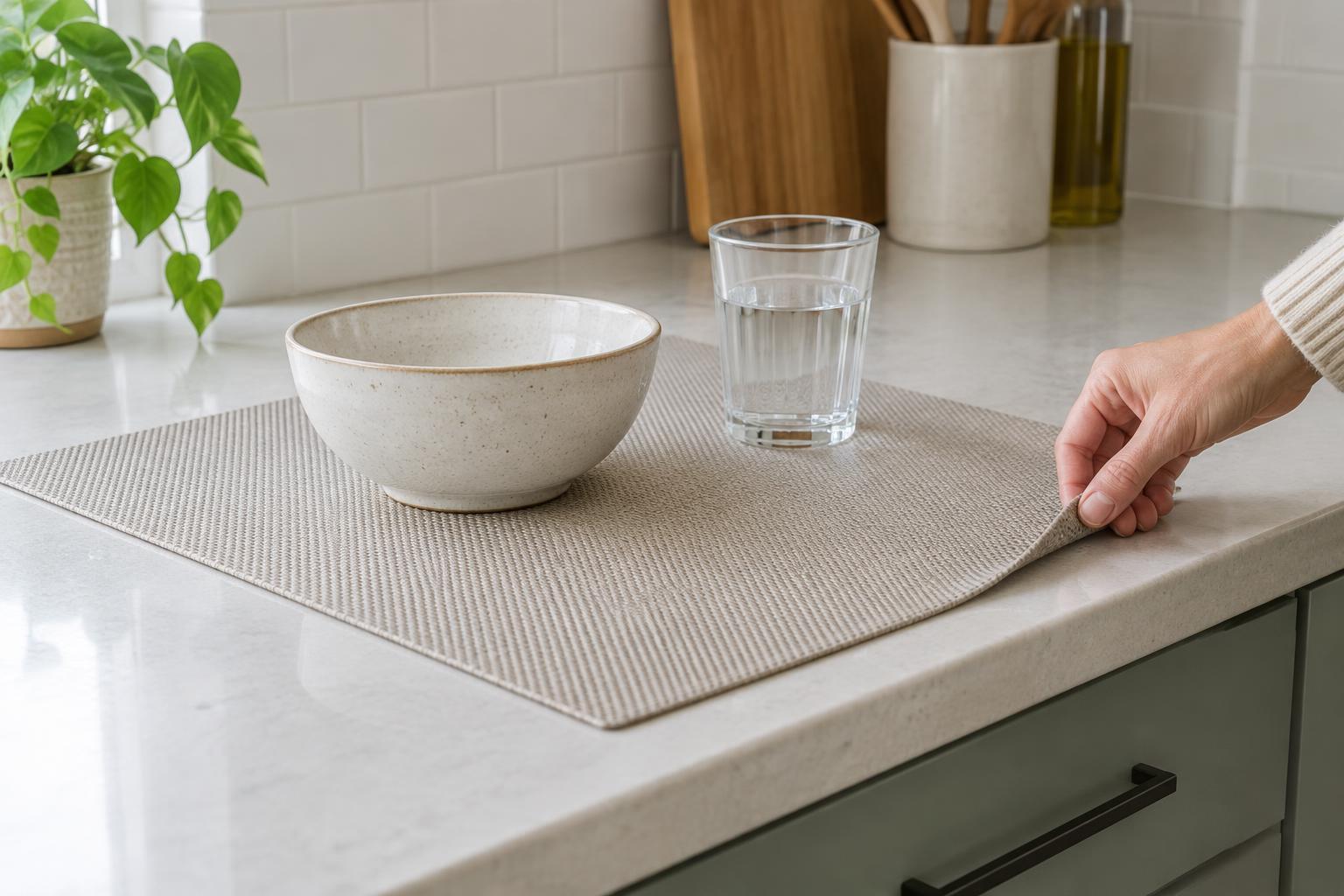
Everyday Assistive ProductsNon-slip mats and liners can make everyday surfaces easier to use, but only when they suit the surface beneath them and remain secure. Learn where they can help, what can make them shift, and how to check and care for them.
Read article · 4 min↗
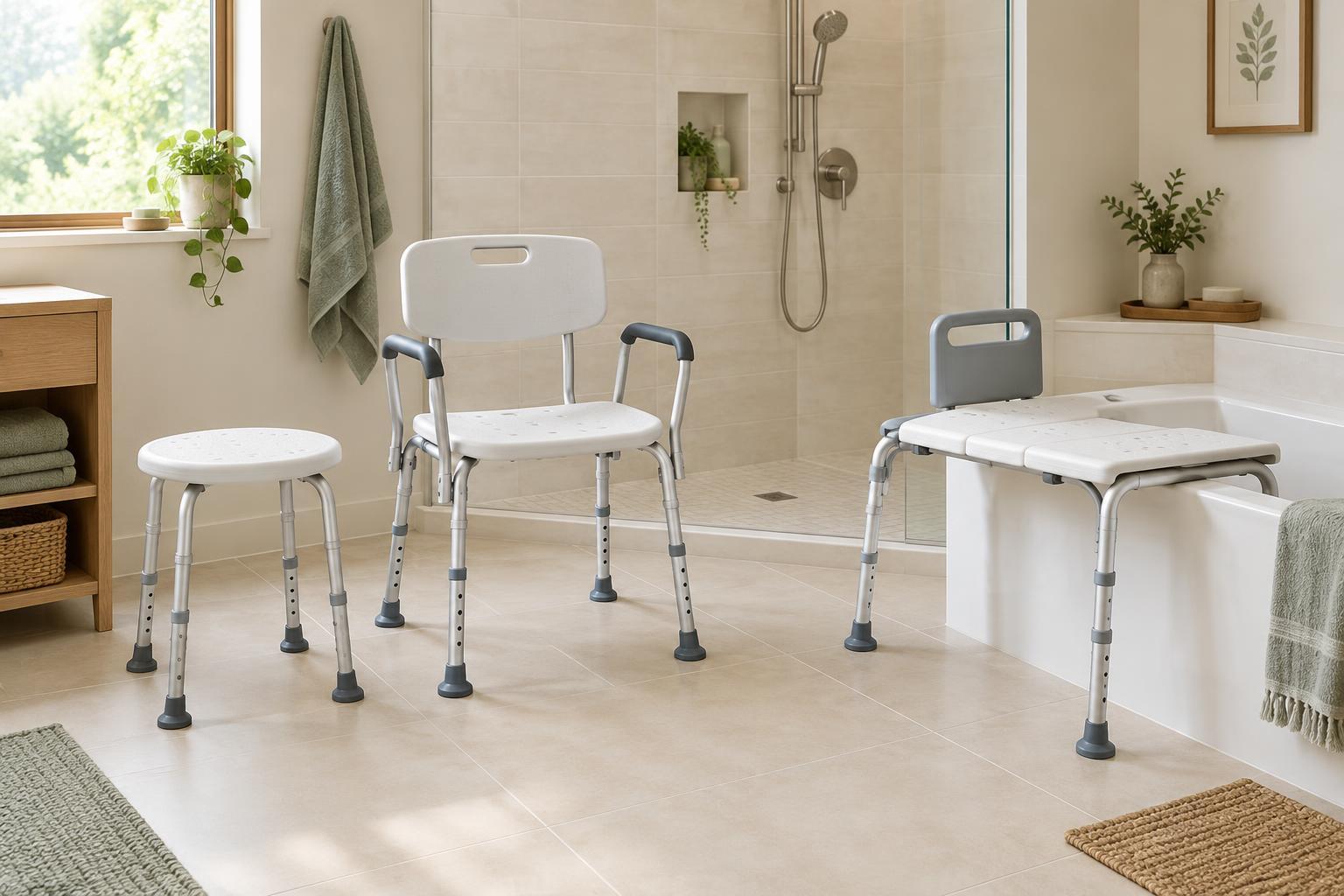
Everyday Assistive ProductsShower seating can make a bathroom easier to use, but a stool, a chair, and a transfer bench solve different space and access problems. This guide compares their key features and offers a practical checklist for assessing fit, stability, cleaning, and everyday convenience.
Read article · 4 min↗
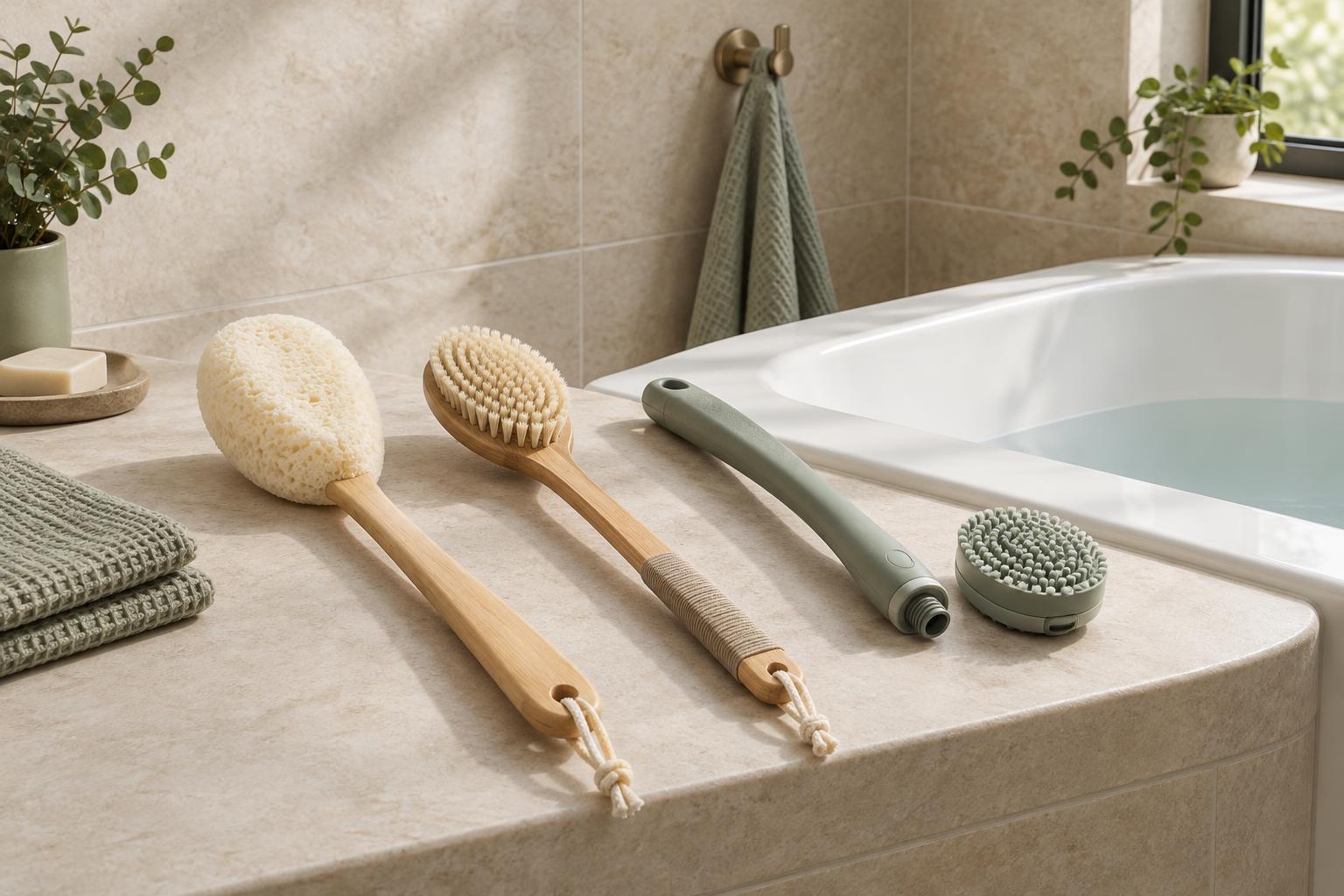
Everyday Assistive ProductsA long-handled bathing tool can make some areas easier to reach, but the best choice depends on more than handle length. Compare sponges, brushes, and replaceable heads by how they feel, how they move, and how easy they are to clean and store.
Read article · 4 min↗
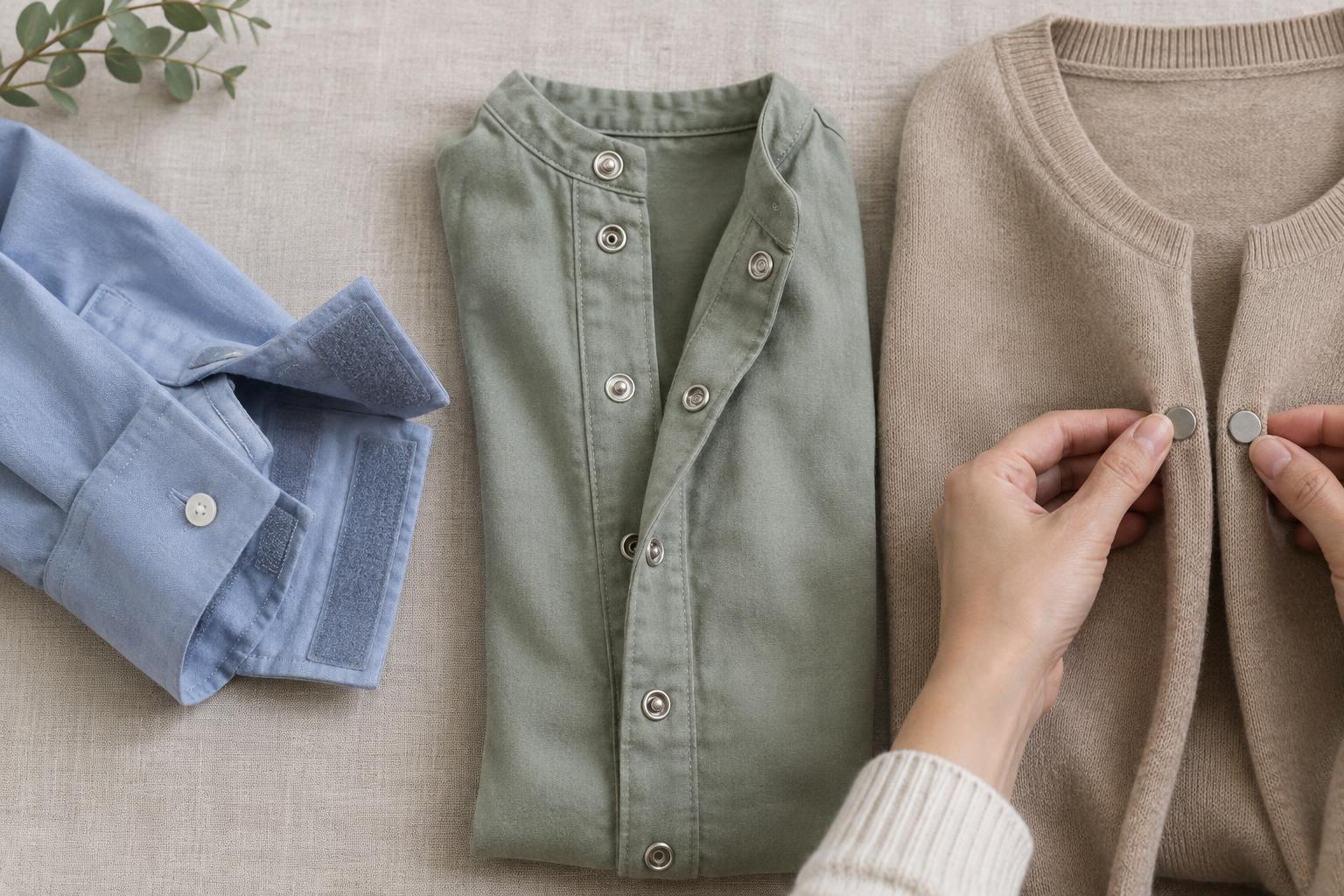
Everyday Assistive ProductsA clothing closure can make a noticeable difference to an everyday routine. This guide compares hook-and-loop strips, snaps, and magnetic fasteners by ease of use, feel, appearance, care, and safety considerations.
Read article · 4 min↗
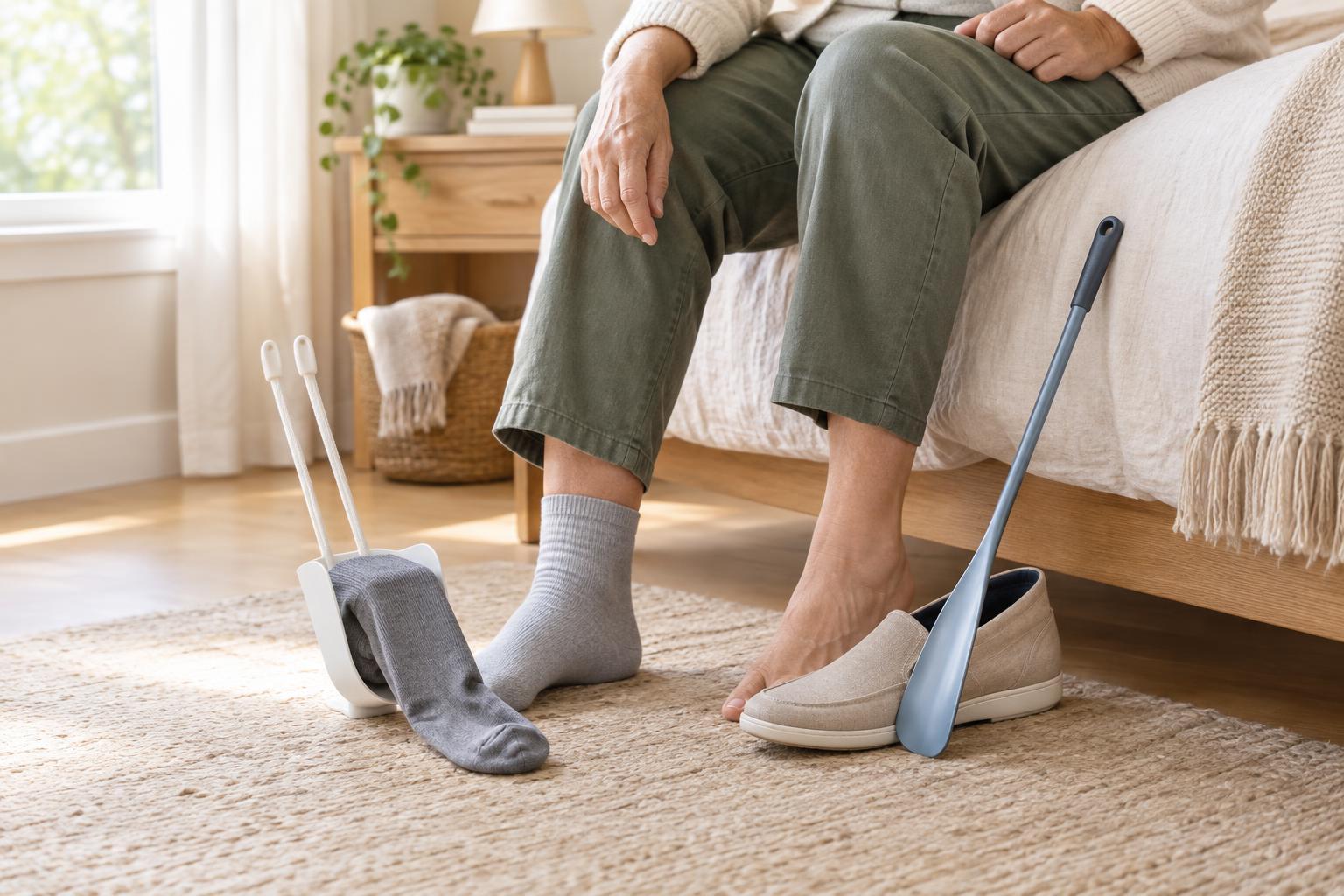
Everyday Assistive ProductsSock aids and long-handled shoehorns are often placed in the same category, but they solve different dressing problems. Here is how each tool works, what to look for, and how to decide whether one or both might make a daily routine easier.
Read article · 4 min↗
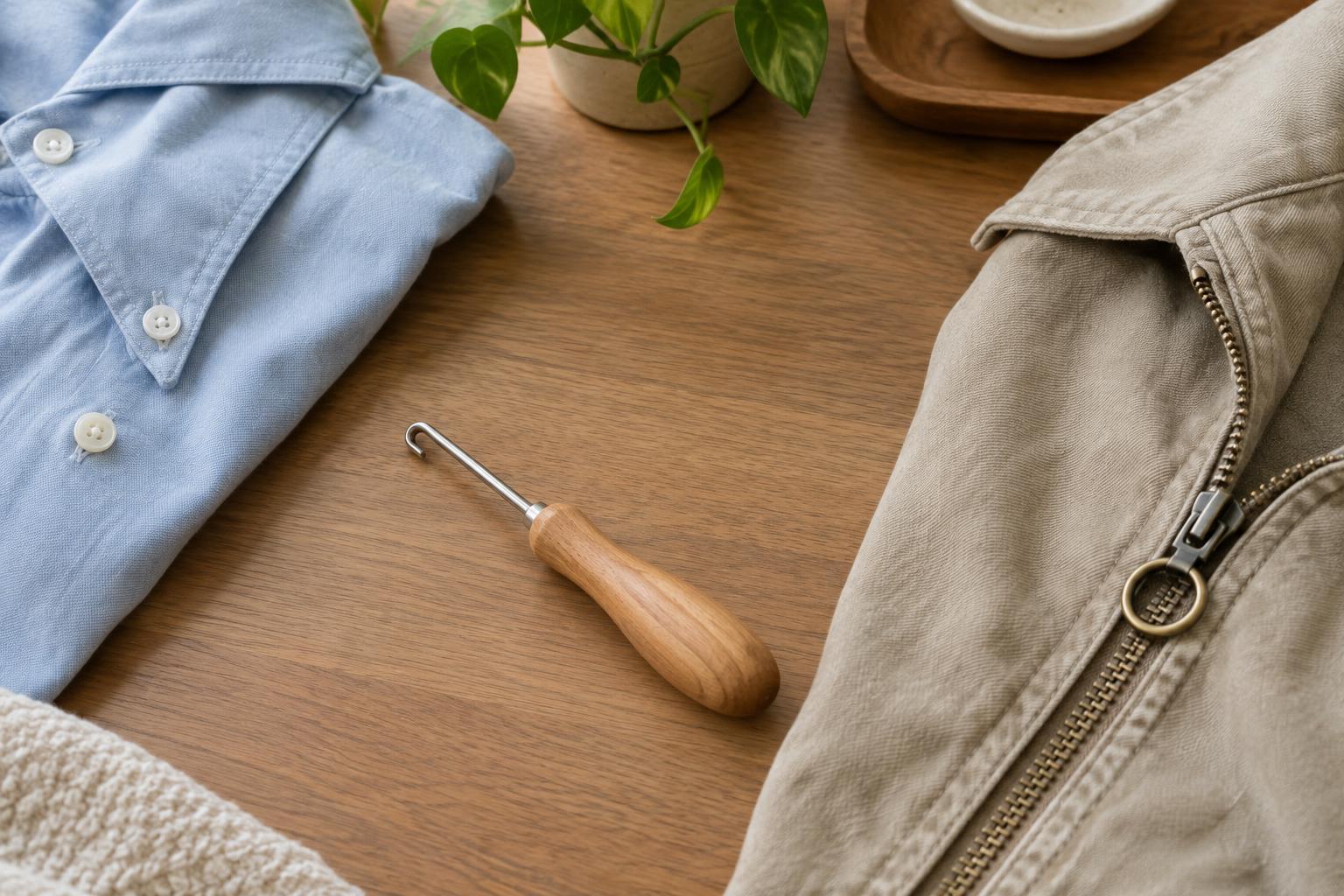
Everyday Assistive ProductsButtons and zippers can be difficult to manage when they are small, stiff or hard to reach. Button hooks and zipper pulls offer a way to change how a fastener is gripped without replacing an entire garment. Learn what these tools do, what to look for when choosing one and how to decide whether it works with your clothes.
Read article · 4 min↗
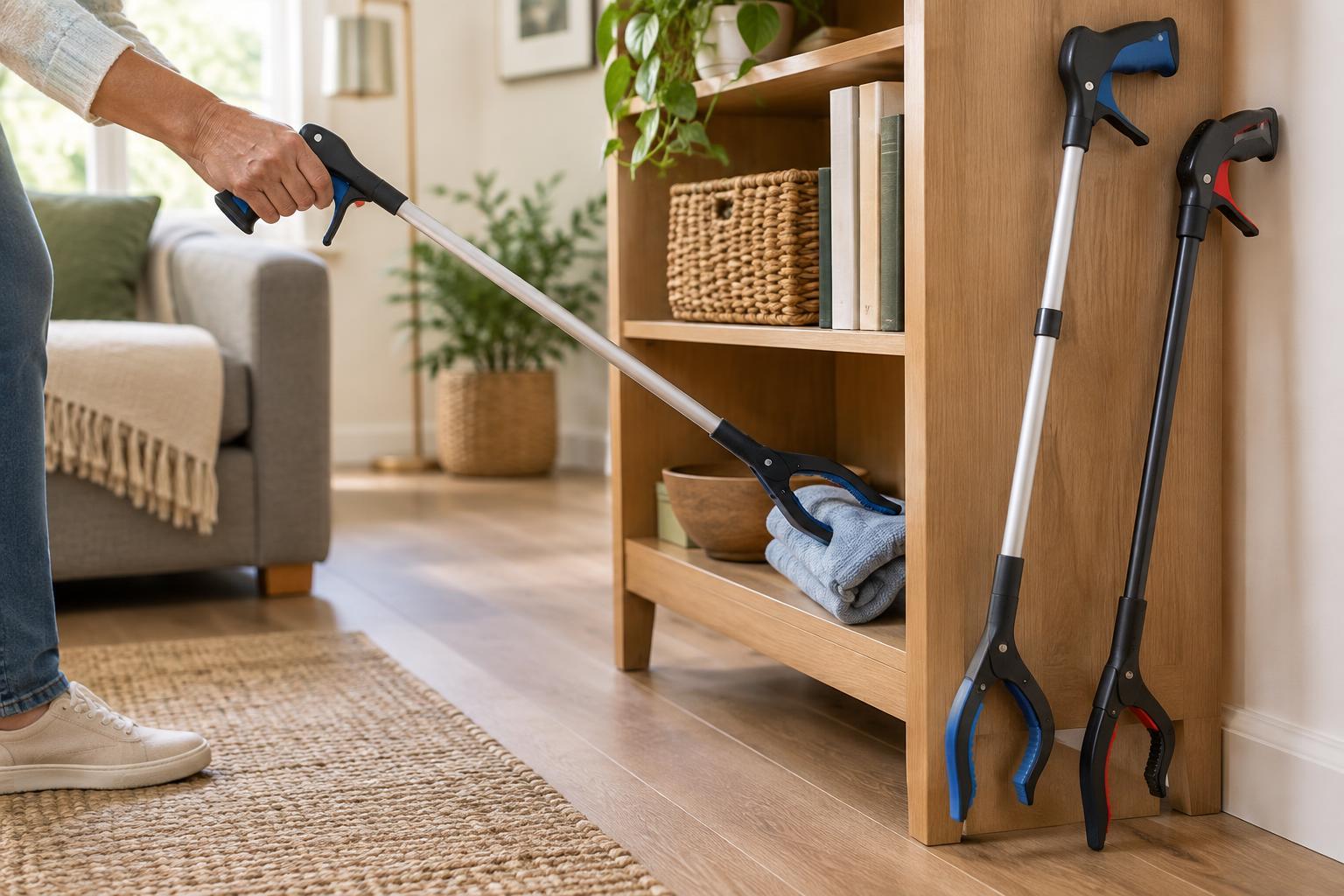
Everyday Assistive ProductsA reacher can make it easier to pick up light objects without bending or stretching. Compare models by where you plan to use them, what you need to grip, and how the handle feels over repeated uses.
Read article · 4 min↗
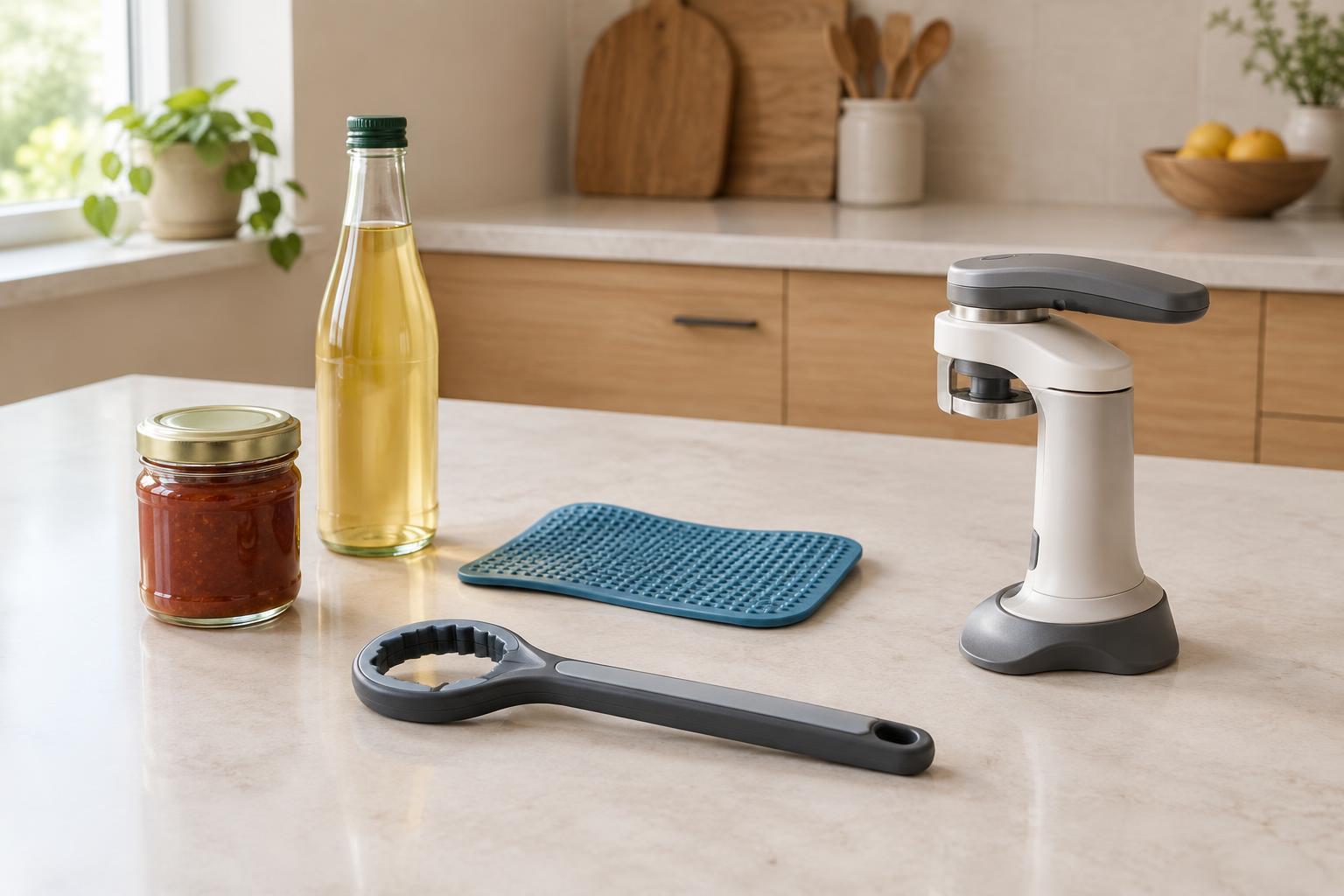
Everyday Assistive ProductsAn opener can make a stubborn lid easier to manage, but the best design depends on the container, the available space and how the person prefers to use their hands. Compare simple grip aids, handled openers and countertop models, with practical points to check before choosing one.
Read article · 4 min↗
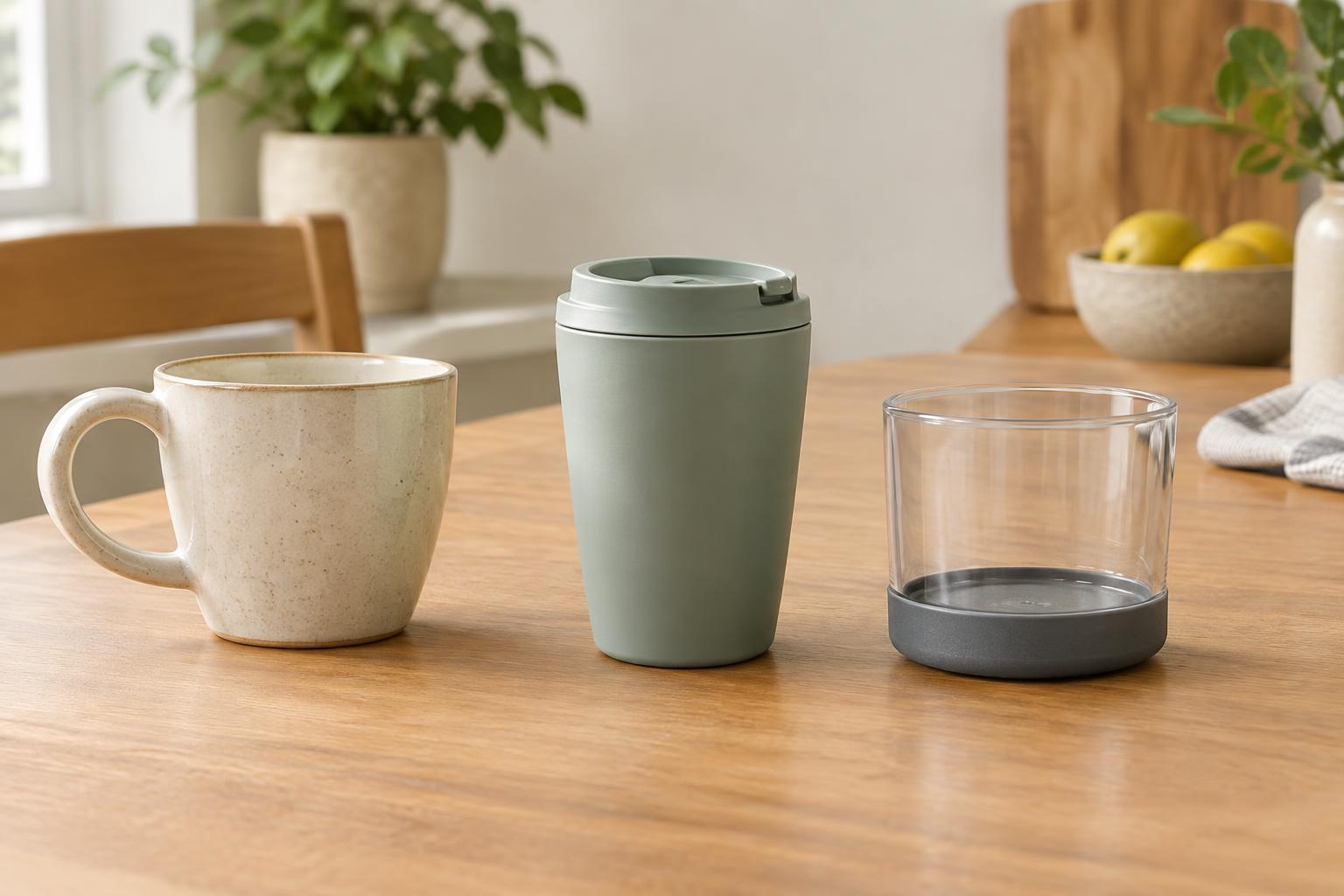
Everyday Assistive ProductsAn easy-grip cup can make everyday drinks more comfortable to hold and less likely to spill. Learn how handle shapes, lid styles, and base designs affect use, and what to check before choosing one.
Read article · 4 min↗
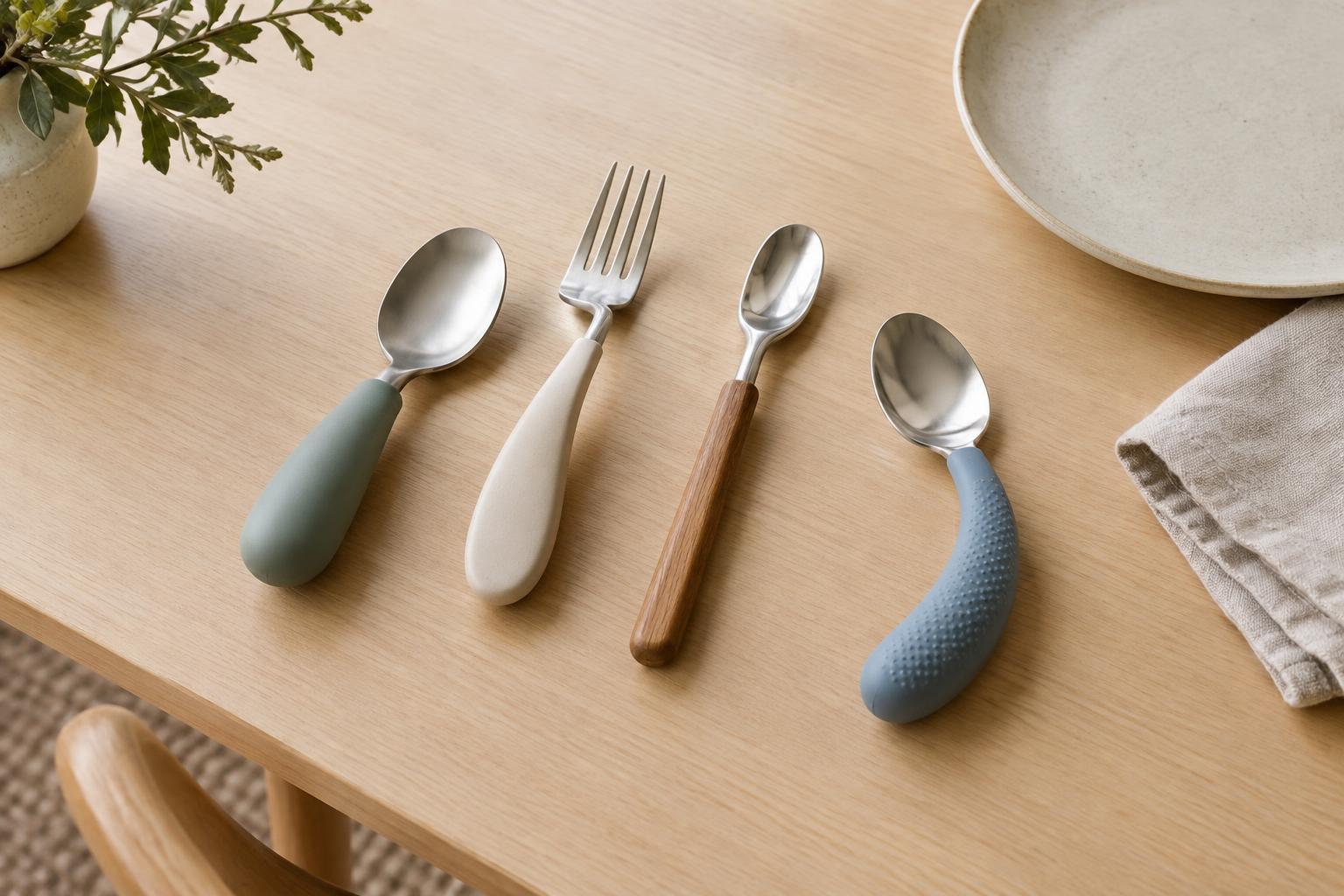
Everyday Assistive ProductsAdaptive cutlery can make everyday meals easier to manage, but no single design suits everyone. This guide compares handle shapes, utensil angles, and materials, then offers a practical way to assess comfort, control, cleaning, and storage before choosing a set.
Read article · 4 min↗
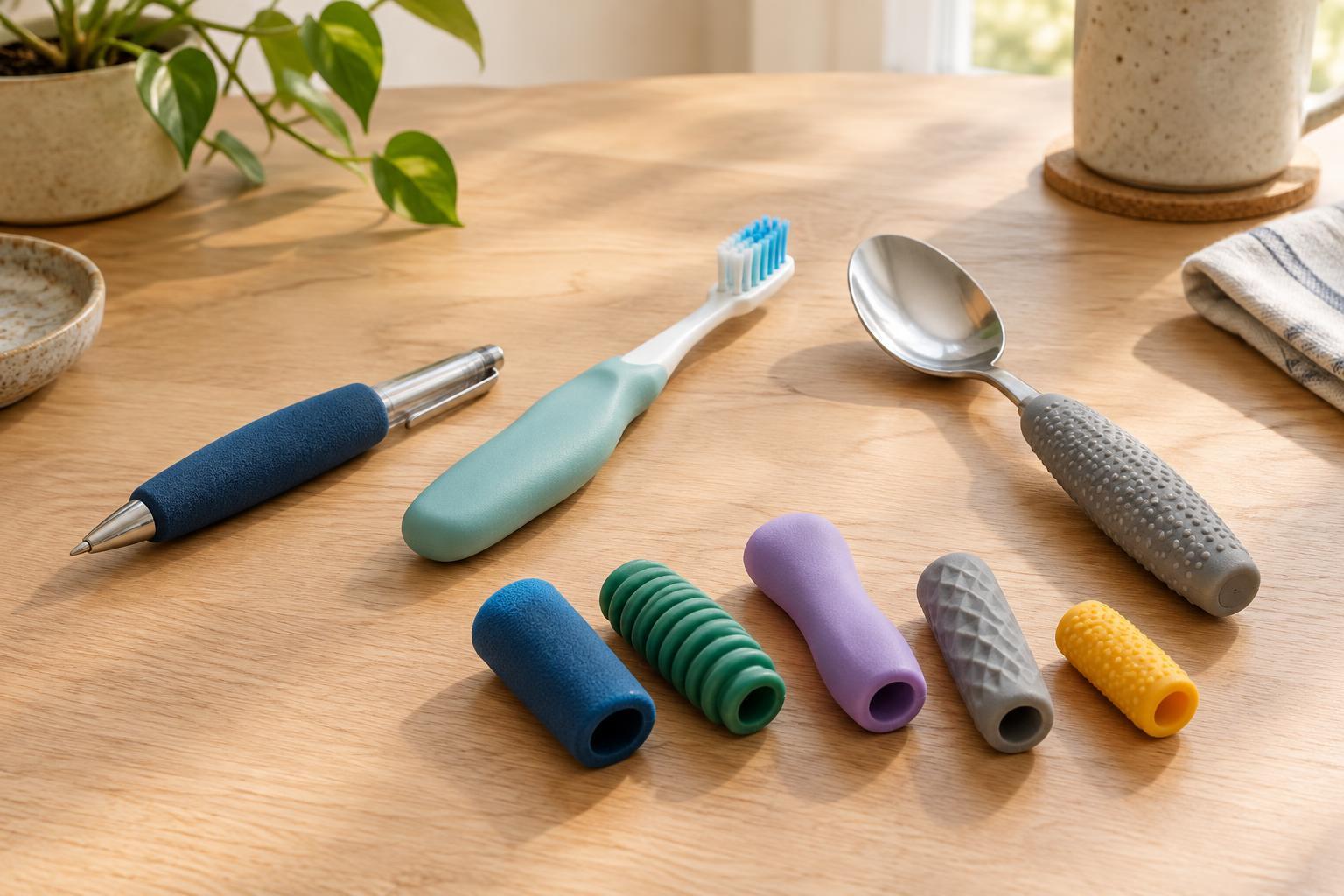
Everyday Assistive ProductsA built-up grip makes a narrow handle wider, but width is only one part of a useful fit. This guide compares shape, texture, weight, attachment, cleaning, and task-specific details for pens, toothbrushes, and utensils.
Read article · 4 min↗
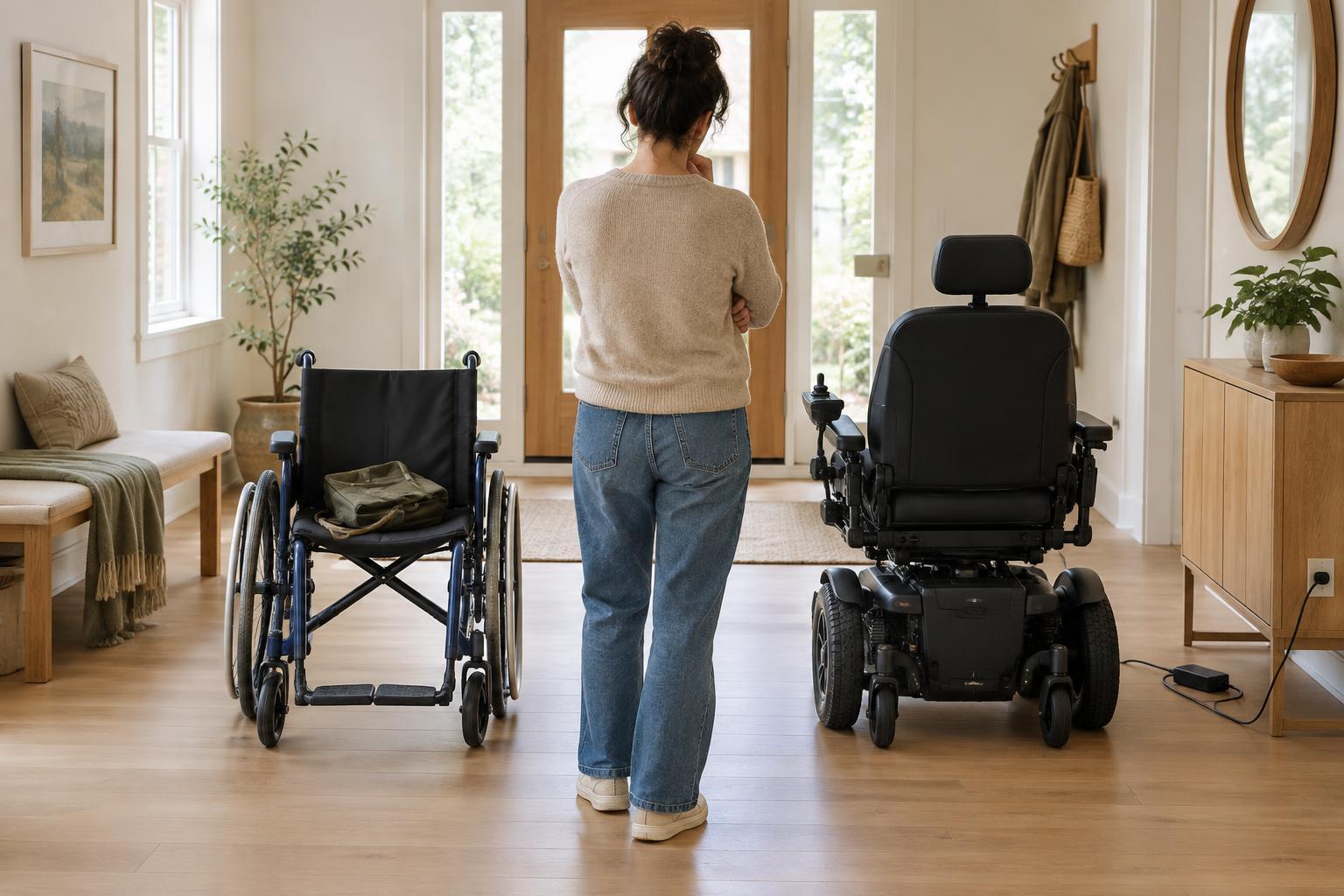
Everyday Assistive ProductsA powered option can reduce physical effort, but it also brings batteries, charging, and repairs into the picture. This guide offers a practical way to compare manual and powered everyday assistive products without assuming one type is always better.
Read article · 4 min↗
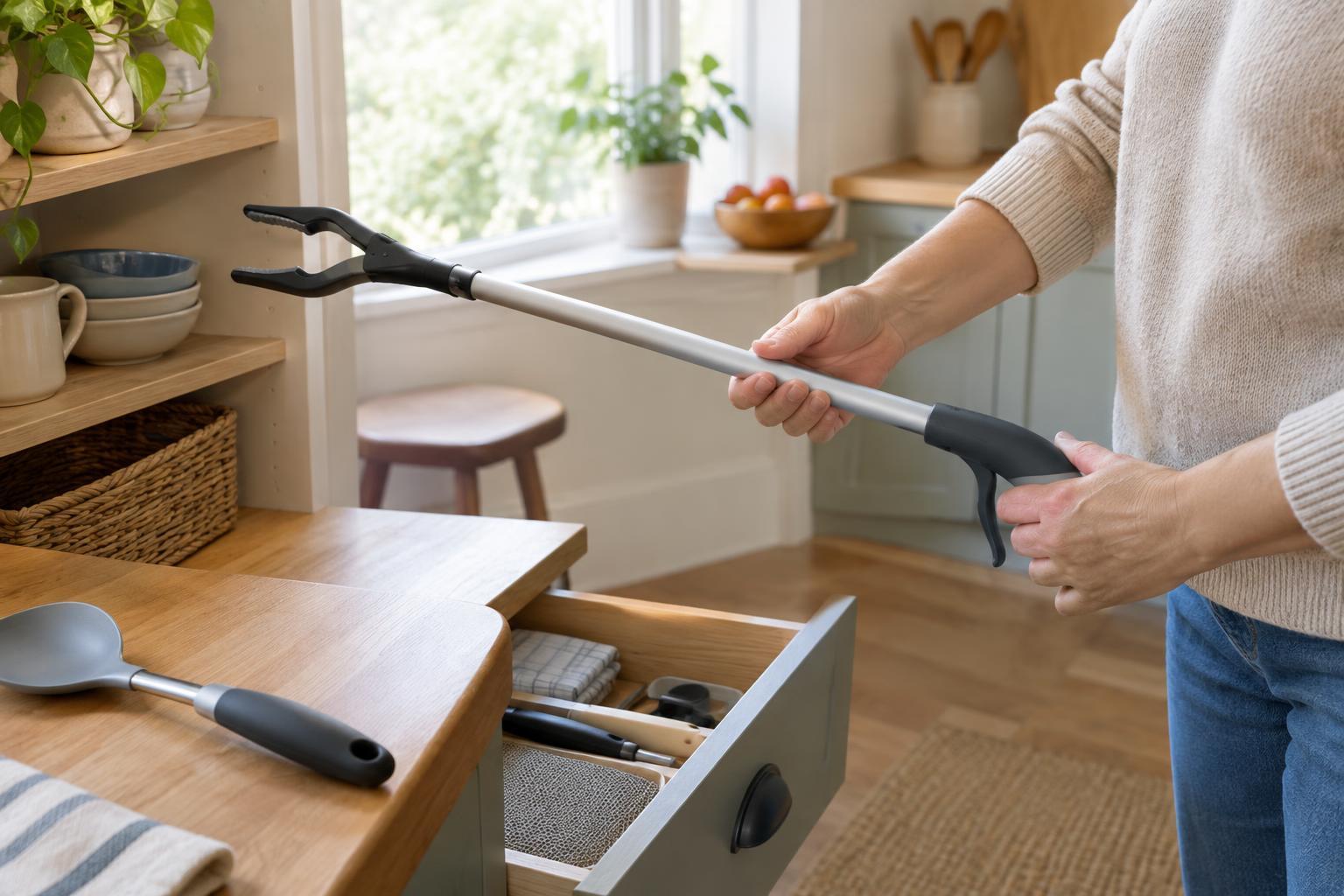
Everyday Assistive ProductsA product that looks helpful in a photo may feel awkward in daily use. Use four practical checks—grip size, weight, reach, and storage—to compare everyday assistive products with your space and routines before buying.
Read article · 4 min↗

Everyday Assistive ProductsA useful assistive product is not simply one with the most features. Start by identifying the task, listening to the person who will use it, and checking how it fits the places and routines of everyday life.
Read article · 4 min↗